
Brain Masala
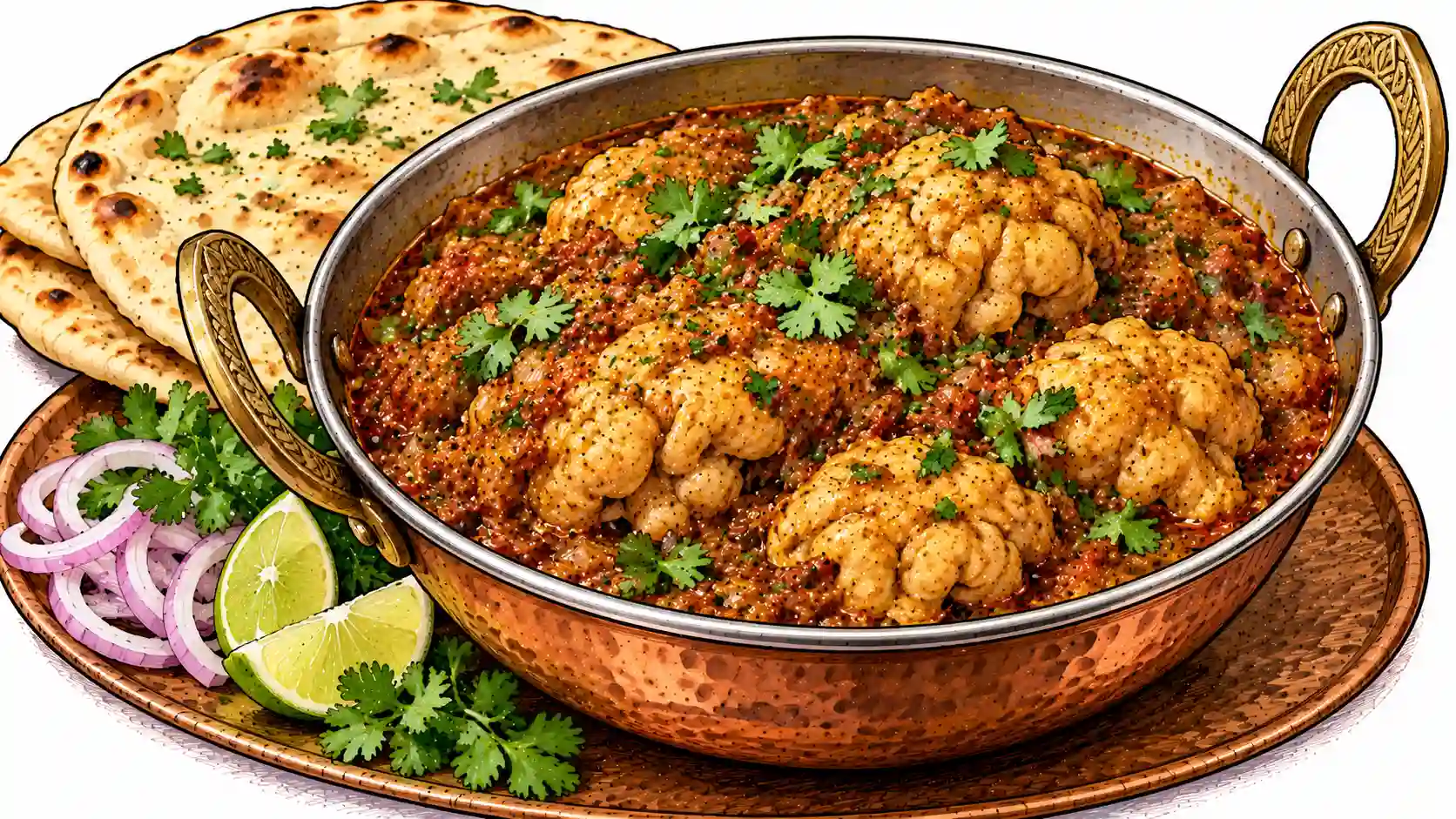
Brain masala is a richly seasoned dish found in parts of South Asia, especially in Pakistani and Indian cuisine. Made with animal brains gently cooked in a fragrant mixture of onions, tomatoes, chilies, and spices, it is known for its very soft texture and intense savory flavor. Often served with naan, roti, chapati, or other flatbreads, brain masala is a specialty at some traditional restaurants and meat-focused eateries. Although the ingredient may be unfamiliar to many diners, the dish reflects a broader culinary tradition of using different parts of an animal and transforming them through careful preparation and regional spice blends.
What Is Brain Masala?
Brain masala is a South Asian preparation in which animal brains are cooked with a seasoned sauce or masala. The type of brain used depends on the region, restaurant, and recipe; goat, sheep, and sometimes other livestock may be used. The word masala broadly refers to a mixture of spices or a seasoned preparation, rather than one fixed recipe.
The brains have a very soft, delicate texture and a mild flavor, so the sauce provides much of the dish's character. Onions, tomatoes, ginger, garlic, green chilies, and ground spices are commonly used to create a savory, aromatic base. Some versions are relatively dry, while others have a thicker gravy that can be scooped up with bread.
Brain masala is associated with several regional food traditions, including Pakistani cuisine and parts of northern and western India. Related dishes are also known as maghaz masala or bheja fry, although these names can refer to preparations with different cooking methods and sauce styles.
The dish is valued by people who enjoy its creamy texture and robust seasoning. However, animal brains require particular care in sourcing and handling. The species and origin matter for food safety, and some cattle brain tissue is prohibited from the human food supply under U.S. regulations because of concerns about bovine spongiform encephalopathy (BSE).
Quick Facts
- Region: South Asia, particularly associated with Pakistani and Indian cuisines
- Main Ingredient: Animal brains, with the species varying by recipe
- Cooking Method: Gently cooked in a spiced onion-based sauce or masala
- Texture: Very soft, delicate, and creamy
- Flavor: Mild and savory, with aromatic seasoning
- Common Ingredients: Onions, tomatoes, ginger, garlic, chilies, and ground spices
- Typical Accompaniments: Naan, roti, chapati, paratha, or rice
- Food Category: Offal dish and regional curry specialty
Common Ingredients
Brain masala recipes differ from kitchen to kitchen, but many combine a richly seasoned onion base with tomatoes and a selection of warming spices. The seasoning complements the delicate ingredient while giving the dish its distinctive regional character.
- Animal Brains: The main ingredient, often from goat or sheep, depending on the recipe and local availability.
- Onions: Cooked until soft or golden to provide sweetness and depth.
- Tomatoes: Add acidity, color, and body to the masala sauce.
- Ginger and Garlic: Form a fragrant base commonly used in South Asian savory dishes.
- Green Chilies or Chili Powder: Provide heat, with the amount adjusted to regional preferences.
- Turmeric: Adds earthy flavor and a warm golden color.
- Cumin and Coriander: Contribute earthy, warm, and aromatic notes.
- Garam Masala: A spice blend that may be added toward the end of cooking for extra fragrance.
- Fresh Cilantro: Often used as a garnish to add freshness.
- Oil or Ghee: Used to cook the onions and release the aromas of the spices.
- Yogurt or Lemon Juice: Included in some recipes to add tanginess and balance the rich seasoning.
How Brain Masala Is Prepared
Preparation begins with sourcing the brains from a reputable, inspected supplier and handling them hygienically. They are delicate and can break apart easily, so cleaning and preparation need to be done carefully. Methods differ by recipe, but cooks generally aim to preserve the soft texture while allowing the seasoning to coat the pieces.
The masala base is usually made by heating oil or ghee and cooking onions until softened or golden. Ginger, garlic, chilies, and ground spices are then added, followed by tomatoes or yogurt in recipes that use them. The mixture cooks until the ingredients soften and the spices become fragrant, forming a thick sauce.
The prepared brains are added gently to the masala. Rather than stirring vigorously, cooks may fold the pieces into the sauce or move the pan carefully to prevent them from breaking apart. The dish is cooked until done, allowing the sauce to coat the brains and the flavors to come together.
Some recipes finish with garam masala, fresh cilantro, sliced ginger, or a squeeze of lemon. The finished dish may have a thick gravy or a drier, more concentrated coating of spices.
Food safety requires more than thorough cooking. Brains are highly perishable and must be kept refrigerated and handled hygienically. The species and source are especially important: in the United States, the brains of cattle aged 30 months or older are classified as specified risk material and are prohibited from the human food supply because of BSE concerns. Regulations differ by country, so use only legally approved, inspected sources. Ordinary cooking should not be assumed to eliminate prion-related hazards.
History & Origins
Brain masala belongs to the wider South Asian tradition of cooking with offal, including liver, kidneys, heart, and other edible organs. Across the region, organ meats have been incorporated into everyday meals and specialized dishes, with spices and cooking techniques used to create distinctive flavors.
It is difficult to identify a single origin or inventor for brain masala. The term describes a style of preparation rather than one standardized recipe, and versions have developed within different local food cultures. Pakistani and Indian cooks may use different spice blends, cooking fats, and sauce consistencies depending on regional preferences and family traditions.
Traditional meat markets and restaurants have helped keep organ-meat dishes visible in many cities. Brain masala may be served alongside other richly seasoned meat preparations, particularly in establishments specializing in regional curries, grilled meats, or traditional breakfast and lunch dishes.
As with many foods made from less familiar cuts, brain masala can carry different meanings for different diners. For some, it is a familiar or nostalgic part of local cuisine; for others, it is an unfamiliar dish to discover. Its place in South Asian cooking reflects the diversity of regional food traditions rather than one uniform custom shared throughout the region.
Varieties & Differences
There is no single recipe for brain masala. The type of brain, the balance of spices, and the amount of sauce can all change the finished dish.
- Pakistani-Style Brain Masala: Often prepared with onions, ginger, garlic, chilies, and a generous blend of spices. Recipes vary by city, restaurant, and household.
- Indian-Style Brain Masala: May use regional spice combinations and different proportions of tomato, onion, yogurt, and chili, depending on the local cuisine.
- Dry Brain Masala: Cooked until the sauce clings closely to the brains, creating a more concentrated coating of spices.
- Gravy-Style Brain Masala: Contains a more generous sauce that can be served with naan, roti, or rice.
- Different Animal Varieties: Goat or sheep brains are used in some recipes, while other versions may use different livestock where permitted and available.
Brain masala should also be distinguished from other South Asian brain dishes that use different cooking methods. Some recipes fry or scramble brains with spices, while others incorporate them into a gravy. These preparations may share ingredients without being identical dishes.
How Brain Masala Is Enjoyed
Brain masala is typically served hot, often with naan, roti, chapati, paratha, or another flatbread. The bread helps scoop up the sauce and provides a contrast to the soft texture of the brains. Some versions are also served with rice, particularly when the sauce is plentiful.
Its flavor is shaped largely by the masala. Ginger, garlic, chili, and toasted spices bring warmth and intensity, while tomatoes and onions can add sweetness and acidity. Fresh cilantro, sliced ginger, or lemon may brighten the finished dish.
Brain masala may be ordered as part of a meal that includes other meat dishes, lentils, vegetables, or side salads. Because the ingredient has a delicate texture, it is generally handled gently during cooking and serving rather than treated like a firm cut of meat.
For diners exploring regional food traditions, brain masala offers a look at the breadth of South Asian offal cooking. Anyone considering it should pay attention to safe sourcing and preparation, as animal brains require careful handling and may be subject to specific food regulations.
Did You Know?
The word “masala” does not refer to one specific spice mixture. It can describe a combination of spices or a seasoned sauce, and its ingredients vary by region and recipe. That flexibility helps explain why brain masala can taste quite different from one kitchen to another while still belonging to the same broad culinary tradition.