
Cuy
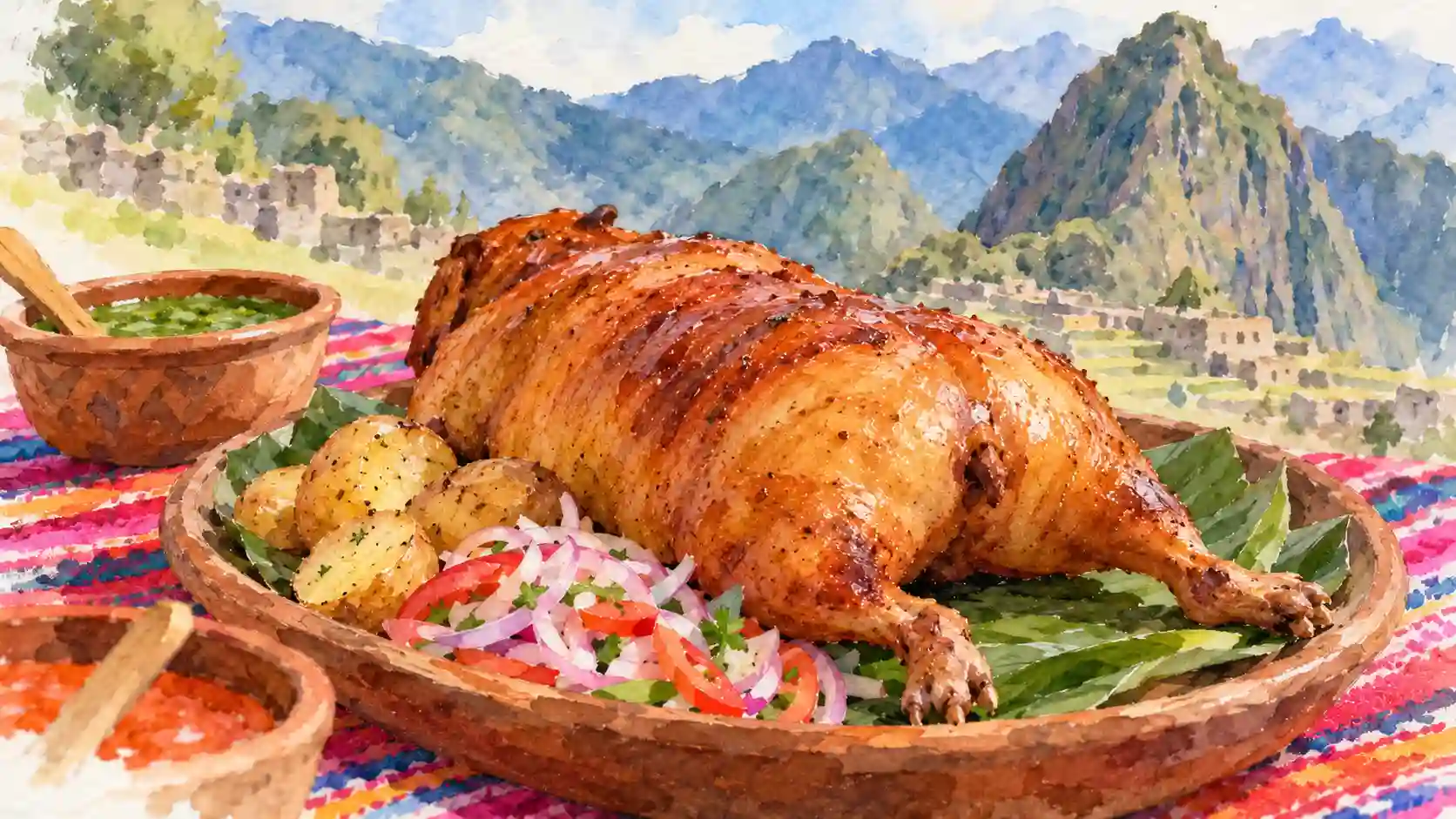
In the Andes of Peru and Ecuador, a traditional celebratory meal may arrive at the table golden, crisp, and unmistakably whole. Known as cuy, guinea pig has been raised for food in the Andean region for thousands of years and remains an important part of local culinary traditions. It is commonly roasted or fried until the skin turns crunchy, then served with potatoes, corn, spicy sauces, and other regional accompaniments. For many Andean families, cuy is much more than a dish: it connects food, community, history, and cultural identity.
What Is Cuy?
Cuy is the Spanish name for the domesticated guinea pig, Cavia porcellus, when discussed as food. Although guinea pigs are widely regarded as companion animals in some countries, they have a long history as livestock in the Andes, where they were domesticated thousands of years before European arrival in South America.
The meat is often prepared and served whole, giving the dish a distinctive presentation. Roasted cuy typically has crisp skin and tender meat, while fried versions can be especially crunchy. Its flavor is often compared with other mild meats, although the seasoning, cooking method, and accompanying sauce all influence the finished dish.
Cuy is eaten in parts of Peru and Ecuador, as well as elsewhere in the Andean region. It may appear at family gatherings, festivals, religious celebrations, and meals honoring special guests. Preparation differs between communities, so no single recipe represents every version of cuy.
Quick Facts
- Region: Andean South America, especially Peru and Ecuador
- Main ingredient: Domesticated guinea pig
- Common cooking methods: Roasting, frying, and cooking in traditional earth ovens
- Texture: Often crisp on the outside, with tender meat
- Typical seasonings: Garlic, salt, cumin, chili, and local herbs
- Common accompaniments: Potatoes, corn, salad, and spicy sauces
- Cultural role: Traditional food for celebrations and important gatherings
- Historical roots: Andean foodways dating back thousands of years
Common Ingredients
Traditional cuy recipes vary by location and household, but the preparation usually relies on a few central ingredients.
- Guinea pig: The main ingredient, usually prepared whole or divided into portions depending on the dish.
- Garlic: A common seasoning that adds savory depth to marinades and rubs.
- Salt and cumin: Frequently used to season the meat before roasting or frying.
- Chili peppers: Local varieties of ají can provide warmth, color, and flavor in marinades or accompanying sauces.
- Huacatay: An aromatic Andean herb, sometimes called Peruvian black mint, that appears in regional sauces and marinades.
- Potatoes and corn: Common accompaniments that reflect the importance of these crops in Andean cooking.
Some recipes use a simple seasoning mixture, while others include a more complex marinade made with herbs, spices, and chili. Ingredients and serving styles depend on regional traditions and the cooking method chosen.
How Cuy Is Prepared
Roasting and frying are two of the best-known ways to prepare cuy. Before cooking, the meat is cleaned and seasoned, often with garlic, salt, cumin, and local herbs. Depending on the recipe, it may rest in a marinade so the flavors penetrate the meat.
For cuy al horno, the guinea pig is roasted in an oven until the skin becomes browned and crisp. Traditional preparations may use a wood-fired oven, which can add a subtle smoky character. The finished animal is often presented whole or in large portions, with potatoes and other side dishes.
Another well-known style is cuy chactado, particularly associated with southern Peru. The seasoned guinea pig is flattened and fried, traditionally with a heavy stone or weight pressing it against the cooking surface. This technique helps produce a crisp exterior.
Cuy may also be incorporated into stews, spicy sauces, or dishes cooked with other meats and vegetables. As with other meats, safe preparation depends on clean handling, adequate cooking, and ingredients sourced for human consumption.
History & Origins
Cuy has deep roots in Andean life. Archaeological and genetic research indicates that guinea pigs were domesticated in the Andes thousands of years ago, although researchers continue to investigate the precise timing and locations of domestication. These animals were kept close to households and served as a source of food long before the arrival of Europeans.
In pre-Columbian societies, guinea pigs also had ceremonial and ritual importance. Archaeological discoveries and historical accounts document their use in offerings and other cultural practices, alongside their role as food. The significance of guinea pigs varied across communities and periods, so their historical role was not limited to either eating or ritual use.
Over generations, cuy became closely linked with regional identity and hospitality. In Peru, it remains an important part of Andean cuisine, and the country's official tourism materials highlight preparations such as roasted cuy and cuy chactado. In Ecuador, guinea pig has its own long history and is still prepared for community celebrations and family occasions in parts of the highlands.
Its history illustrates how food traditions can carry different meanings across cultures. A meal that may seem unfamiliar to visitors is, for many Andean people, a continuation of longstanding agricultural and culinary practices.
Varieties & Differences
The word cuy describes the animal and, by extension, dishes made from it. Regional names often indicate the cooking method or style of preparation.
- Cuy al horno: Oven-roasted guinea pig, commonly seasoned with garlic, herbs, and spices until the skin is browned and crisp.
- Cuy chactado: A Peruvian specialty in which the guinea pig is flattened and fried, traditionally under a weight, to develop a crunchy exterior.
- Picante de cuy: A Peruvian preparation in which cuy is served with a spicy sauce or seasoned mixture, often alongside potatoes. Recipes vary by region.
- Pachamanca with cuy: In some Andean communities, guinea pig is included in pachamanca, a traditional meal cooked with hot stones in an earth-covered pit alongside meats, potatoes, and other ingredients.
- Regional Ecuadorian cuy: Often roasted and served with potatoes, corn, or a local sauce, with seasoning and presentation varying by province and community.
These dishes are related, but their flavors and textures can differ significantly. A whole roasted cuy emphasizes the browned skin and meat, while fried or sauced versions highlight crispness, seasoning, or the accompanying ingredients.
How Cuy Is Enjoyed
Cuy is often served at meals that bring people together. Depending on the region, it may be prepared for weddings, birthdays, religious festivals, harvest celebrations, or visits from honored guests. It is not necessarily an everyday meal for every household; its availability and role vary according to location, income, and family tradition.
Potatoes are a common accompaniment because they are central to Andean agriculture and provide a hearty contrast to the meat. Corn, fresh salad, chili sauce, and herb-based condiments may also appear on the plate. In some settings, the whole presentation is part of the occasion, reflecting customary ways of sharing and serving the dish.
For visitors encountering cuy for the first time, it helps to understand the cultural context rather than treating it as a novelty. Its place in Andean food traditions is comparable to the importance other communities attach to particular celebratory meats and inherited recipes.
Did You Know?
Peru marks National Guinea Pig Day on the second Friday of October. Established in 2013, the observance recognizes cuy's role in the country's cuisine, cultural heritage, food security, and the livelihoods of guinea pig farmers.
A Longstanding Andean Food Tradition
Cuy is a distinctive expression of Andean culinary history, shaped by thousands of years of animal husbandry, regional ingredients, and community celebrations. Whether roasted whole, fried until crisp, or served with a spicy sauce, it remains an important traditional food in parts of Peru and Ecuador. Understanding cuy means looking beyond its unfamiliar appearance to the cultural practices and agricultural heritage that have sustained it for generations.