
Gaebul
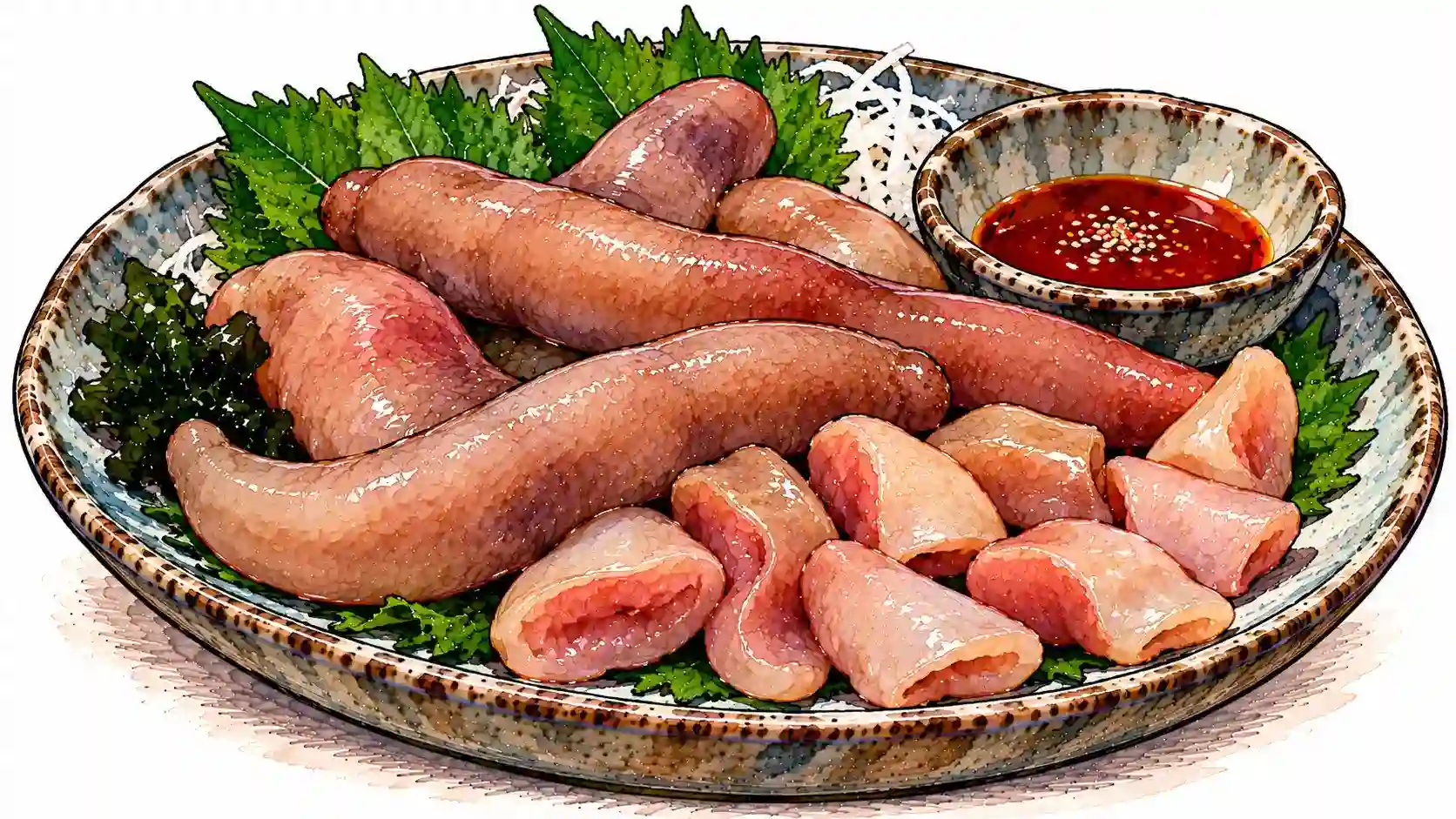
Pink, plump, and unmistakable in appearance, gaebul is one of South Korea’s distinctive seafood delicacies. Known for its unusual shape, this marine creature is a spoon worm rather than a fish. Prized for its firm, chewy texture and fresh ocean flavor, gaebul is commonly served raw with sesame oil and salt or with dipping sauces. Although its appearance can surprise first-time diners, it has a recognized place in Korean seafood culture, where fresh ingredients and distinctive textures are often part of the dining experience.
What Is Gaebul?
Gaebul (개불) is the Korean name for the marine spoon worm Urechis unicinctus, also known in English as the fat innkeeper worm. This burrowing marine invertebrate lives in sandy or muddy coastal sediments in parts of East Asia, including waters around the Korean Peninsula, China, and Japan. It is not a fish or an ordinary earthworm, but a marine worm belonging to a group known as spoon worms.
Its thick, cylindrical body is typically pinkish or reddish-brown, with smooth skin and a rounded shape. Gaebul is valued for its firm, springy texture and mildly sweet, briny flavor. It is often sliced and served raw, allowing diners to experience its natural taste, although it can also be cooked or prepared in other seafood dishes.
Quick Facts
- Food Category: Seafood and marine invertebrates
- Scientific Name: Urechis unicinctus
- Distribution: Coastal waters of East Asia, including South Korea
- Main Ingredient: Marine spoon worm
- Common Seasonings: Sesame oil, salt, and chili-based dipping sauces
- Typical Flavor: Mild, slightly sweet, and briny
- Texture: Firm, chewy, and springy
- Common Preparations: Raw, grilled, or cooked in seafood dishes
Common Ingredients
Gaebul is often served with simple seasonings that complement its natural seafood flavor. The ingredients depend on whether it is presented raw or cooked, but Korean-style preparations frequently include a few familiar accompaniments.
- Gaebul: The main ingredient, cleaned and sliced for serving.
- Sesame Oil: Adds a rich, nutty aroma and is often paired with salt.
- Salt: Enhances the spoon worm’s natural flavor.
- Chili Paste or Sauce: Provides heat and a more pronounced savory flavor.
- Garlic: Sometimes included in dipping sauces for additional aroma.
- Fresh Vegetables: Sliced garlic, chili peppers, or other accompaniments may be served alongside the seafood.
- Lettuce or Perilla Leaves: May be offered for wrapping seafood and seasonings in a Korean-style bite.
How Gaebul Is Prepared
Gaebul lives in burrows in coastal sand and mud, so collecting it requires knowledge of its habitat and suitable harvesting techniques. The worms are cleaned before being prepared for the table.
For raw service, gaebul is cleaned and sliced into manageable pieces. It is usually served soon after preparation with sesame oil and salt or a dipping sauce. The flesh has a firm, elastic texture that can feel quite different from the softer texture of many familiar raw seafood dishes.
Gaebul can also be grilled or cooked in other seafood preparations. Heat changes its texture and flavor, creating a firmer bite and a more pronounced cooked seafood taste. Cooking methods and seasonings vary depending on the restaurant and local preferences.
As with other seafood, freshness, proper refrigeration, and hygienic preparation are important. Raw gaebul can carry foodborne pathogens, so people at increased risk from raw seafood should choose a thoroughly cooked preparation instead. Keep raw seafood chilled, prevent cross-contamination, and follow food-safety advice from reliable local authorities.
History & Origins
Gaebul is part of South Korea’s broader tradition of eating seafood from surrounding coastal waters. The Korean Peninsula has a long relationship with fishing and coastal gathering, and seafood markets offer a wide variety of marine animals beyond the fish and shellfish familiar to many international diners.
Marine spoon worms inhabit suitable coastal sediments, where they can be collected as part of local seafood harvesting. Their unusual appearance distinguishes them from more familiar marine foods, while their texture and mild flavor have helped make them a recognizable specialty.
Gaebul is associated with Korean seafood restaurants and markets where fresh marine ingredients are displayed for customers. It may be served as part of a larger meal featuring several kinds of seafood, side dishes, and dipping sauces.
Today, gaebul continues to attract local diners and curious visitors. Its popularity reflects the variety of South Korean seafood traditions, in which unusual-looking marine creatures can be valued for their taste and texture rather than their appearance alone.
Varieties & Differences
Gaebul generally refers to the marine spoon worm Urechis unicinctus. The dining experience varies according to its preparation and accompaniments. Common presentations include:
- Raw Gaebul: Cleaned and sliced, then served with sesame oil, salt, or dipping sauce.
- Seasoned Gaebul: Accompanied by chili-based sauces, garlic, or other Korean seasonings.
- Grilled Gaebul: Cooked over heat to develop a firmer texture and more pronounced savory flavor.
- Gaebul Seafood Platters: Served alongside other seafood in restaurants and market dining areas.
- Cooked Seafood Preparations: Incorporated into dishes where heat and seasonings alter its texture and flavor.
Gaebul is sometimes confused with other unusual Korean seafood, including sannakji, which consists of freshly cut octopus. The two are quite different: gaebul is a spoon worm, while sannakji is prepared from octopus.
How Gaebul Is Enjoyed
Gaebul is commonly enjoyed raw in Korean seafood restaurants, where it may be served as an appetizer or as part of a shared platter. Its mild, briny flavor pairs well with sesame oil and salt, while chili-based dipping sauces offer a stronger contrast.
The texture is central to its appeal. Gaebul is firm and springy rather than delicate or flaky, giving it a distinctive bite. Diners who enjoy fresh shellfish and other chewy seafood may appreciate its unusual consistency.
For visitors, gaebul is often memorable because of its appearance and nickname. However, it is more than a novelty food: it represents the breadth of marine ingredients used in Korean cooking and the country’s longstanding appreciation for fresh coastal seafood.
Did You Know?
Despite its nickname, gaebul is not a fish!
It is a marine spoon worm that lives in burrows beneath sandy or muddy coastal sediments. Its unusual shape has inspired memorable nicknames, but its biological classification and way of life are very different from those of ordinary fish.