
Geoduck
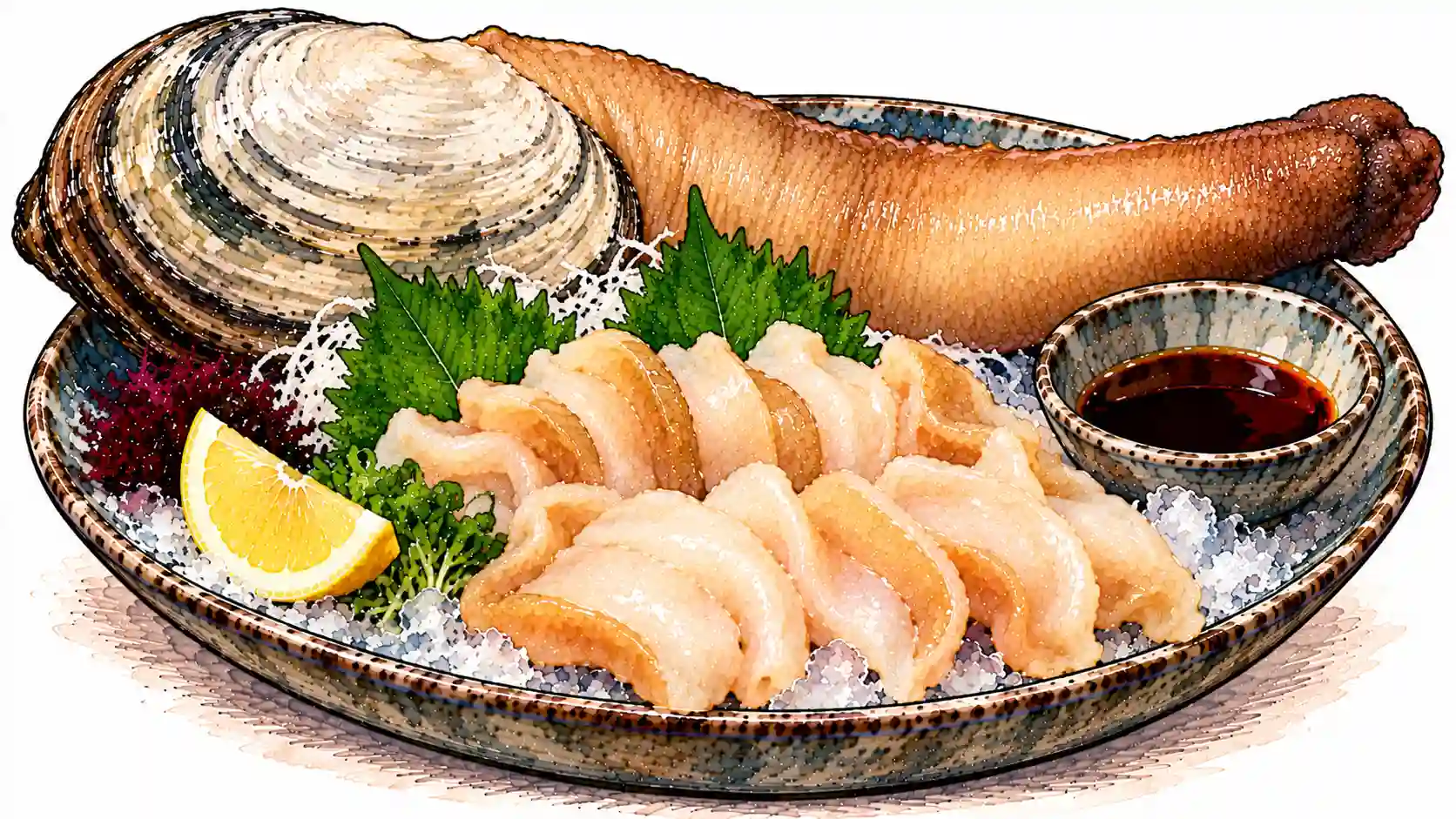
With its oversized body and remarkably long, protruding siphon, the geoduck (pronounced “gooey duck”) is one of the most unusual-looking shellfish in the world. Native to the northeastern Pacific, this giant burrowing clam is prized for its crisp texture, sweet flavor, and versatility in seafood dishes. Known as a delicacy in parts of North America and East Asia, geoduck can be served raw in thin slices or cooked in soups, stir-fries, and hot pots. Its unusual appearance may attract attention, but its distinctive texture and delicate seafood flavor are what make it a sought-after ingredient.
What Is Geoduck?
The geoduck is a large marine clam scientifically known as Panopea generosa. It lives buried deep in sandy or muddy coastal sediments, particularly along the Pacific Northwest coast of North America, including Washington State and British Columbia.
Its most recognizable feature is its long siphon, sometimes called its neck, which extends beyond the shell and draws in water for filter feeding. The siphon can grow longer than the shell itself, giving the geoduck its distinctive appearance. Geoducks are also exceptionally long-lived: some have been documented living for more than a century, although lifespan varies among individuals and populations.
The flesh is prized for its crisp texture and mildly sweet flavor. The siphon is particularly popular in raw preparations, while the body and other edible portions can be cooked in a variety of seafood dishes. The texture varies by part: the siphon is firm and crunchy, while other portions can be softer.
Quick Facts
- Food Category: Seafood and bivalve mollusks
- Scientific Name: Panopea generosa
- Native Range: Northeastern Pacific coast of North America
- Main Ingredient: Geoduck clam, especially the siphon
- Typical Flavor: Mild, sweet, and briny
- Texture: Crisp and firm in the siphon; softer in other parts
- Common Preparations: Raw slices, stir-fries, soups, and hot pots
Common Ingredients
Geoduck is valued for its natural flavor, so many preparations use simple ingredients that complement rather than overpower the clam. The exact ingredients depend on whether it is served raw or cooked.
- Geoduck: The main ingredient, with the siphon especially popular for thinly sliced preparations.
- Soy Sauce: Adds a salty, savory note to dipping sauces and cooked dishes.
- Ginger: Provides a fresh, aromatic flavor that pairs well with shellfish.
- Garlic: Adds depth to stir-fries and other cooked preparations.
- Rice Vinegar or Citrus: Supplies acidity that balances the clam's natural sweetness.
- Sesame Oil: Sometimes used in small quantities to add a nutty aroma.
- Fresh Herbs and Scallions: Provide freshness and contrast in salads and seafood dishes.
How Geoduck Is Prepared
Preparing geoduck begins with removing the clam from its shell and cleaning the siphon and body. The thick outer skin of the siphon is generally removed before the flesh is sliced or cooked. Briefly blanching the siphon can make the skin easier to peel, after which the flesh may be chilled and sliced thinly.
One popular preparation is serving the siphon raw in thin slices, often as sashimi or in a seafood salad. Its crisp texture and mild sweetness are especially noticeable when the slices are fresh and simply seasoned.
Geoduck can also be cooked quickly in stir-fries, soups, or hot pots. Because its flesh can become tough if overcooked, many recipes use brief cooking times. The body and other edible portions can be incorporated into dishes with vegetables, ginger, garlic, and light sauces.
As with other shellfish, proper handling and storage are important. Geoduck should be sourced from approved suppliers, kept at appropriate temperatures, and prepared according to food-safety guidance. Raw shellfish carries additional food-safety risks, so people at increased risk from foodborne illness should choose a thoroughly cooked preparation. Cooking also does not reliably eliminate every marine toxin, making approved harvesting areas and current local advisories important.
History & Origins
Geoducks are native to the northeastern Pacific coast of North America, where they have long been part of the marine environment and the food traditions of Indigenous coastal communities. Their presence in the region predates modern commercial harvesting by thousands of years.
The name geoduck is generally understood to derive from a Lushootseed word associated with the clam. Indigenous peoples of the Pacific Northwest harvested geoducks as part of their broader use of coastal marine resources, developing knowledge of local habitats and harvesting practices over generations.
Commercial harvesting expanded as demand for geoduck grew, particularly in markets that prize distinctive, high-value seafood. Washington State and British Columbia became important sources, with wild fisheries and aquaculture contributing to supply in different areas.
Today, geoduck is a specialty seafood in the Pacific Northwest and is also sought after in East Asian markets. Its high value reflects its distinctive texture, limited harvesting areas, and the labor involved in collecting clams that burrow deep into the seabed.
Varieties & Differences
The name geoduck generally refers to Panopea generosa in the Pacific Northwest, although other species in the genus Panopea occur elsewhere. Harvesting methods and culinary preparations offer different ways to experience this unusual clam.
- Wild Geoduck: Harvested from natural coastal beds, often by specialized divers working in marine waters.
- Farmed Geoduck: Raised in managed coastal areas, with production methods varying by region.
- Raw Geoduck: Thinly sliced siphon served as sashimi or in other uncooked seafood preparations.
- Blanched Geoduck: Briefly heated to help remove the siphon's outer skin before slicing.
- Cooked Geoduck: Quickly stir-fried, simmered in soup, or added to hot pot dishes.
Although the preparation may vary, the siphon's crisp texture remains one of geoduck's most recognizable culinary characteristics. The body can offer a different eating experience and is often used in cooked dishes.
How Geoduck Is Enjoyed
Geoduck is enjoyed in a range of seafood dishes, from simple raw preparations to elaborate cooked meals. In the Pacific Northwest, it may appear in restaurants that specialize in local shellfish, while in East Asian cuisine it is often served as sashimi, in hot pots, or in quick stir-fries.
When served raw, the siphon is usually sliced thinly to highlight its crisp texture and natural sweetness. Light dipping sauces, citrus, or soy sauce can enhance the flavor without overwhelming it. Cooked preparations often pair geoduck with ginger, garlic, scallions, and vegetables.
Its unusual appearance has made geoduck a memorable food for adventurous diners, but its culinary appeal goes beyond novelty. The combination of delicate seafood flavor and firm texture gives it a distinctive place among premium shellfish.
Did You Know?
Geoducks can live for more than 100 years, making them among the longest-lived clams known!
They grow slowly while buried deep in coastal sediments, where their long siphons reach toward the water above. Their remarkable lifespan, unusual shape, and distinctive texture have helped make geoduck one of the Pacific Northwest's best-known seafood specialties.