
Hachinoko
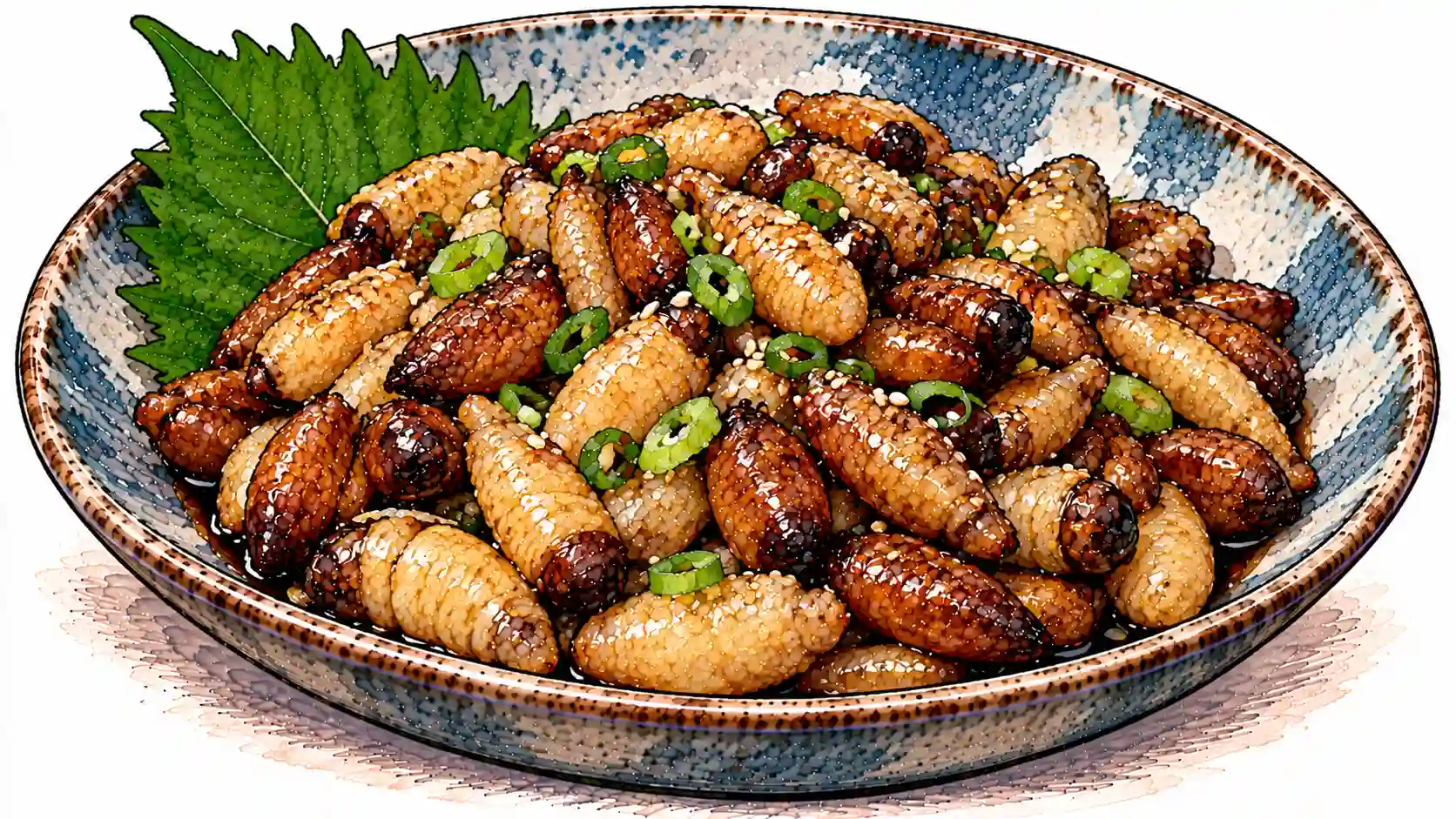
Sweet, savory, and rooted in regional tradition, hachinoko is one of Japan’s distinctive edible-insect delicacies. Made primarily from the larvae and pupae of wasps and hornets, this unusual dish is especially associated with the mountainous areas of central Japan, including Nagano and Gifu prefectures. The insects are often simmered in soy sauce and sugar to create a glossy, flavorful preparation that can be eaten on its own or served with rice. Although it may surprise visitors unfamiliar with edible insects, hachinoko reflects Japan’s long history of making use of seasonal ingredients and locally available foods.
What Is Hachinoko?
Hachinoko is a traditional Japanese food made from the larvae and pupae of social wasps and hornets. The Japanese name combines hachi, meaning bee or wasp, with ko, meaning child or offspring. Despite the broader meaning of the first word, the regional delicacy is particularly associated with wasp brood rather than honeybees.
Hachinoko is especially associated with mountainous areas of central Japan, including Nagano and Gifu prefectures. The insects are commonly prepared by simmering them in soy sauce and sugar, sometimes with sake or mirin. This creates a sweet-savory flavor, while the texture can range from soft to slightly firm depending on the developmental stage of the insects. Hachinoko may be served as a small side dish, eaten with rice, or incorporated into traditional rice dishes.
Quick Facts
- Food Category: Edible insects and regional Japanese cuisine
- Origin: Japan, particularly the central mountain regions
- Main Ingredient: Wasp and hornet larvae and pupae
- Common Seasonings: Soy sauce, sugar, and sometimes sake or mirin
- Typical Flavor: Sweet, savory, and rich from the seasoned sauce
- Preparation: Simmered, stir-fried, or cooked with rice
- Common Uses: Rice accompaniments, side dishes, and regional specialties
Common Ingredients
Traditional hachinoko recipes use a relatively small number of ingredients to complement the flavor of the larvae and pupae. Sweet and salty seasonings are characteristic of many cooked versions, although recipes and proportions vary by household and region.
- Wasp or Hornet Brood: The main ingredient, consisting of larvae and sometimes pupae from species traditionally collected for food.
- Soy Sauce: Provides saltiness and a deep, savory flavor.
- Sugar: Adds sweetness and helps create the characteristic sweet-savory sauce.
- Sake: May be used to add aroma and depth to the cooking liquid.
- Mirin: A sweet Japanese rice seasoning that contributes sweetness and a glossy finish.
- Rice: Often served alongside hachinoko or cooked with the insects to make a more substantial dish.
Not every recipe uses all these ingredients. Some preparations focus on the insects themselves, while others emphasize the sweet soy-based sauce or combine hachinoko with rice.
How Hachinoko Is Prepared
Traditional preparation begins with collecting wasp or hornet nests and carefully removing the brood from the nest cells. In regions where hachinoko is eaten, experienced collectors have developed detailed knowledge of local species, nesting habits, and seasonal conditions. Some traditional harvesting methods involve tracking worker wasps back to their nests, a practice that requires specialized knowledge and carries a risk of stings.
After collection, the larvae and pupae are separated from unwanted nest material. One well-known preparation is tsukudani, in which the insects are simmered in soy sauce and sugar, sometimes with sake or mirin. As the liquid reduces, it coats the brood in a concentrated sweet-savory sauce.
Hachinoko can also be stir-fried or cooked with rice. Some rice dishes combine the insects with the grains during cooking so that their flavor is distributed throughout the meal. The finished texture depends on the developmental stage of the brood and the cooking method: larvae tend to be softer, while more developed pupae may have a firmer bite.
Safe identification and handling are essential. Wild wasp and hornet nests should not be collected without appropriate expertise, and insects intended for eating should come from reliable sources and be prepared hygienically. As with other insect foods, people with insect or related food allergies should seek appropriate medical advice before trying hachinoko.
History & Origins
Hachinoko is closely associated with rural and mountainous communities in central Japan, particularly in Nagano and Gifu prefectures. In these regions, collecting edible insects formed part of local food traditions, making use of seasonal resources available in surrounding woodlands and countryside.
Nagano’s Ina Valley is especially known for its long-standing edible-insect culture. Hachinoko is one of several regional insect foods, alongside inago, a preparation made from grasshoppers, and zazamushi, a food made from aquatic insect larvae. These foods contributed to local diets and were valued as sources of animal protein, although the reasons for eating insects varied with access to other foods, local ecology, and household traditions.
Collecting wasp brood required detailed knowledge of insect behavior and nesting sites. In some areas, traditional methods involved using bait to attract worker wasps and following them back to their nests. Such practices illustrate the close relationship between local ecological knowledge and food gathering.
Today, hachinoko remains a regional specialty, although it is not an everyday food for most people in Japan. It can be found in some regional restaurants and specialty food shops, including as a preserved product. Its continued presence reflects the diversity of Japanese regional cuisine and the persistence of food traditions that developed around seasonal ingredients.
Varieties & Differences
Hachinoko is a broad food category rather than a single standardized recipe. The species used, the proportions of larvae and pupae, and the cooking method can all influence the finished dish.
- Sweet-Savory Hachinoko: Simmered in soy sauce and sugar to produce a concentrated, glossy sauce.
- Wasp Larvae and Pupae: Made from the brood of social wasps, including species traditionally harvested in central Japan.
- Rice with Hachinoko: Cooked with rice or served over it to create a more substantial meal.
- Stir-Fried Hachinoko: Prepared in a pan rather than simmered for a longer period in sauce.
- Preserved Hachinoko: Cooked and packaged for sale, allowing the regional specialty to be enjoyed beyond the harvesting season.
The word hachinoko is not a scientific species name, and the insects used can vary by region and source. This variation helps explain differences in appearance, texture, and flavor among preparations.
How Hachinoko Is Enjoyed
Hachinoko is often served in small portions as a side dish or accompaniment to rice. Its sweet-salty seasoning pairs well with plain steamed rice, which balances the concentrated flavor of the sauce.
Another popular preparation is hachinoko rice, in which the insects are cooked with rice to distribute their flavor throughout the dish. In some regional settings, hachinoko is also enjoyed as part of a larger meal featuring other local specialties.
For visitors exploring Japanese cuisine, hachinoko offers a glimpse into a regional food tradition that is less familiar internationally than sushi, noodles, or other widely known Japanese dishes. Its distinctive ingredients may be unusual to newcomers, but in communities where it is traditionally eaten, it remains part of a broader culinary heritage shaped by local environments and seasonal harvesting.
Did You Know?
Hachinoko is one of several traditional edible-insect foods associated with Nagano and Gifu prefectures!
Alongside hachinoko, these regions are known for dishes made with grasshoppers and aquatic insect larvae. Together, these foods reflect a regional culinary tradition built around seasonal harvesting, knowledge of local ecosystems, and methods of preserving ingredients for later meals.