
Hákarl
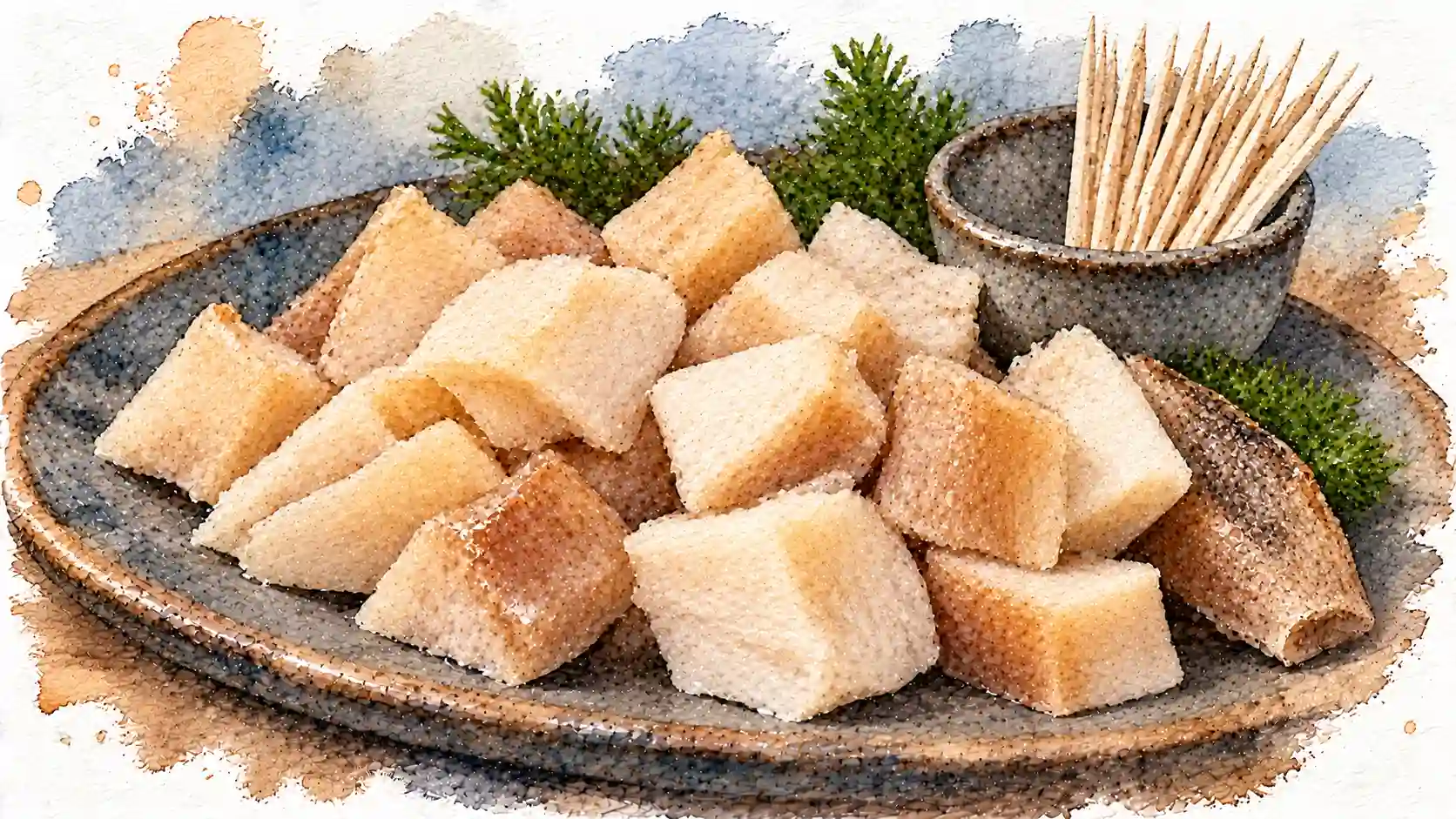
Hákarl is a traditional Icelandic food made from Greenland shark meat that is fermented and then dried, producing a distinctive ammonia-like smell and a strong, lingering flavor. Often associated with Iceland’s historic methods of preserving food in a challenging climate, it is now best known as a specialty served at midwinter gatherings and cultural tastings. Although its pungent aroma can be intimidating, hákarl remains a notable example of Iceland’s traditional food heritage.
What Is Hákarl?
Hákarl is fermented and dried shark meat, traditionally made from Greenland shark (Somniosus microcephalus). Fresh Greenland shark meat contains high levels of compounds including urea and trimethylamine oxide, making it unsuitable for ordinary consumption without specialized processing. Traditional fermentation and drying change the meat's chemical composition, producing the distinctive food known as hákarl.
During processing, bacteria and other biochemical activity transform compounds in the meat. Urea is converted into ammonia, while trimethylamine oxide levels decline and other substances associated with the characteristic aroma increase. The finished food is often described as pungent and ammonia-like, with a strong, lingering flavor. Its texture can range from relatively soft to firm and chewy depending on the cut and drying process.
Hákarl is not typically eaten as an everyday staple in modern Iceland. Instead, it is a traditional specialty that may be served during the midwinter festival of Þorrablót or offered as part of a cultural tasting. Its unusual preparation and flavor have made it one of Iceland’s most internationally recognized foods.
Quick Facts
- Main Ingredient: Greenland shark meat
- Country: Iceland
- Preparation Method: Controlled fermentation followed by drying
- Flavor Profile: Strong, savory, pungent, and ammonia-like
- Texture: Firm, chewy, or relatively soft depending on the cut
- Traditional Occasion: Þorrablót and other cultural gatherings
- Common Serving Style: Small cubes or bite-sized pieces
Common Ingredients
Traditional hákarl is notable for its simplicity. Unlike many modern dishes, it does not depend on a long list of spices or sauces. Its defining qualities come from the shark itself and the processing methods used to make the meat suitable for eating.
- Greenland Shark: The traditional source of the meat, processed by experienced producers.
- Time: An essential part of the fermentation and drying process, which changes the meat's texture and chemical composition.
- Brine and Natural Moisture: Salt and moisture management are important parts of traditional processing.
- Air and Suitable Drying Conditions: Used during the drying stage to reduce moisture and develop the finished texture.
Some modern producers use controlled facilities and monitored conditions rather than relying entirely on traditional outdoor methods. Hákarl is generally served without a complicated seasoning mixture, allowing its characteristic aroma and flavor to remain prominent. Brennivín, an Icelandic caraway-flavored spirit, is sometimes served alongside it, but it is an accompaniment rather than an ingredient in the shark preparation.
How Hákarl Is Prepared
Making hákarl is a specialized process that requires knowledge of the fish and careful control of fermentation and drying. Greenland shark meat should never be treated as safe to eat simply because it has been left to age. Traditional preparation methods have a specific purpose: changing the composition of compounds that make the raw meat unsuitable for consumption.
Preparing the Shark Meat
The shark is butchered, and the meat is prepared for processing. Greenland shark tissues naturally contain substantial amounts of urea and trimethylamine oxide, compounds associated with the animal's adaptation to its deep-water environment. Fresh or inadequately processed meat can cause illness, so appropriate treatment is essential before consumption.
Fermenting the Meat
In traditional preparation, pieces of shark meat are subjected to a controlled fermentation or curing stage. Historically, the meat was placed in a shallow gravel pit, covered, and pressed under stones so that fluids could drain away. This process allowed the meat to ferment over several weeks, with the exact duration depending on the season and conditions.
During fermentation, microbial activity changes the meat's chemistry. Urea is converted into ammonia, and trimethylamine oxide levels decline as other compounds associated with the finished product develop. These changes are part of the specialized process that makes properly prepared hákarl edible. The method should not be improvised at home: unsafe processing can allow hazards to persist, and appearance or smell alone cannot confirm that the finished meat is safe.
Drying and Maturing
After the initial processing, the meat is cut into pieces and dried, traditionally in a well-ventilated structure. Airflow and time reduce moisture, firm up the texture, and allow the characteristic aroma to develop. The outer layer may form a crust that is trimmed away before the edible portion is prepared for serving.
The fermentation stage can last several weeks, while drying may continue for additional weeks or months depending on the method and conditions. The finished hákarl is usually cut into small cubes or bite-sized portions. Its flavor is concentrated, so even a small piece can make a strong impression on someone tasting it for the first time.
History & Origins
Hákarl is connected to Iceland’s history of preserving food for periods when fresh supplies were limited. In a northern island environment, traditional communities developed ways to store fish and other foods through long winters. Fermentation, drying, salting, and other preservation methods helped make local resources last longer, especially when salt and fuel were difficult or expensive to obtain.
Greenland shark was available in North Atlantic waters, but its naturally occurring compounds made its meat unsuitable for ordinary fresh consumption. Processing techniques developed that allowed people to make use of it. Research on Icelandic food preservation indicates that shark processing was established centuries ago, although the precise origins of hákarl are difficult to determine.
Today, hákarl occupies a different role from that of a routine survival food. It is associated with Icelandic culinary heritage and is often encountered during Þorrablót, a midwinter celebration that features a range of traditional foods. It is also offered to visitors curious about Iceland’s distinctive food customs. Modern consumption is more closely tied to special occasions and cultural experiences than to everyday meals.
Varieties & Differences
Hákarl is not a heavily seasoned dish, but its texture and flavor can vary depending on the part of the shark used and how the meat is processed.
- Firm, Dried Pieces: These have a chewy texture and a concentrated flavor.
- Softer Pieces: May feel more tender or moist, depending on the cut and extent of drying.
- Different Cuts: The balance of fat, muscle, and connective tissue can influence the texture and intensity of the finished product.
- Traditional Pit-Processed Hákarl: Reflects older fermentation and draining techniques used in Iceland.
- Modern Commercial Hákarl: May be produced in controlled facilities with monitored fermentation and drying conditions.
Some Icelandic descriptions distinguish between firmer, reddish meat known as glerhákarl and softer, paler meat known as skyrhákarl. The terminology and characteristics can vary with the cut and producer, but both forms share the defining process of curing and drying shark meat.
How Hákarl Is Enjoyed
Hákarl is commonly served in small cubes because its flavor and smell are intense. At Þorrablót gatherings, it may appear alongside other traditional Icelandic foods, such as cured meats, preserved fish, and regional breads. These meals provide a way to explore older food customs and celebrate Iceland’s culinary history.
Some Icelanders enjoy hákarl as a familiar traditional food, while others eat it mainly on special occasions. For visitors, tasting it can be a cultural experience as much as a culinary one. The aroma may be more challenging than the taste itself, and the firm texture encourages small bites rather than large servings.
Brennivín is a well-known accompaniment. Its herbal, caraway-forward character offers a contrasting flavor, though people may choose to enjoy the shark without alcohol. There is no requirement to pair hákarl with a drink to appreciate its place in Icelandic food culture.
Because Greenland shark meat requires specialized processing, hákarl should only be obtained from a reputable producer using appropriate food-safety controls. It is not safe to reproduce the traditional method casually or to eat unprocessed Greenland shark meat.
Did You Know?
Greenland sharks can live for centuries. A 2016 scientific study estimated that the largest shark examined could be around 392 years old, with substantial uncertainty in the estimate. The species' unusual biology is also part of the reason its meat requires specialized processing before it can be eaten.