
Kānga Pirau
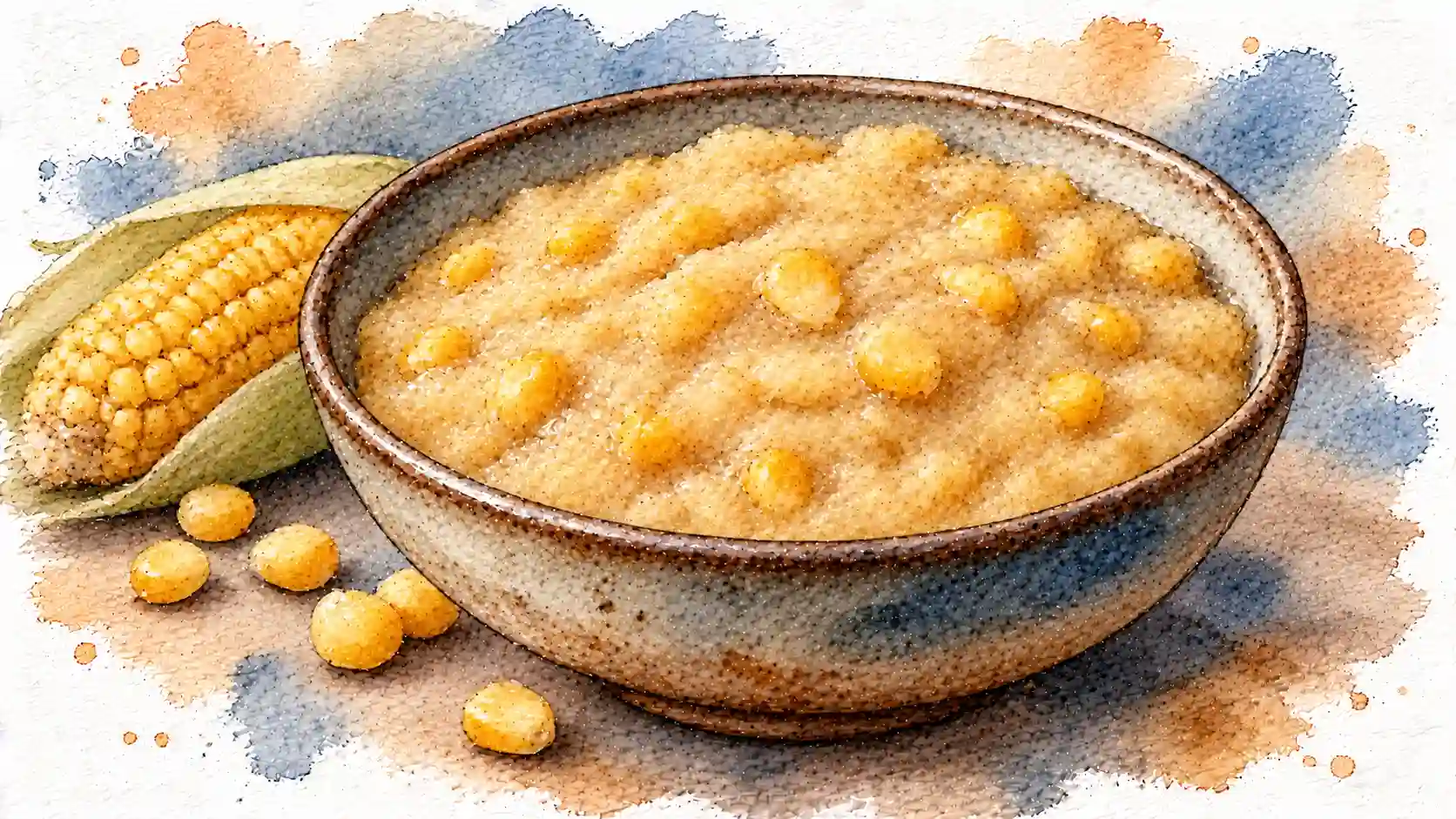
Kānga pirau is a traditional Māori food from Aotearoa New Zealand made by fermenting maize, or corn, before mashing and cooking it into a soft porridge. Known for its pungent aroma and distinctive sour flavor, it reflects Māori expertise in preserving food and adapting traditional techniques to introduced ingredients. Also associated with the names kānga kōpiro and kānga wai, this unusual dish remains an important example of Māori food heritage, even though its strong smell and taste may be unfamiliar to newcomers.
What Is Kānga Pirau?
Kānga pirau is a fermented corn preparation traditionally made from mature maize kernels. The corn is soaked in water, historically in a woven basket placed in slowly flowing water, until fermentation softens the kernels and changes their flavor. The fermented corn is then removed from the cob, mashed, and cooked, often into a porridge.
The Māori word kānga refers to corn or maize, while pirau conveys the idea of decay or rotting. The name reflects the dish's pungent smell, which develops during fermentation. Related names include kānga kōpiro, meaning fermented or steeped corn, and kānga wai, a name associated with water-based preparation.
For people unfamiliar with fermented foods, the aroma can be challenging. However, kānga pirau is considered a delicacy by some Māori and is valued for its distinctive taste, soft texture, and connection to cultural food traditions. It is not simply corn left to spoil. Traditional preparation involves a specific preservation process developed through experience.
Quick Facts
- Main ingredient: Maize or corn
- Country: New Zealand (Aotearoa)
- Associated cuisine: Māori cuisine
- Preparation method: Water soaking, fermentation, mashing, and cooking
- Flavor profile: Sour, earthy, and distinctly fermented
- Texture: Soft and porridge-like
- Common accompaniments: Cream and sugar, depending on the recipe
Common Ingredients
Kānga pirau is made from a small number of basic ingredients. Its characteristic flavor comes primarily from the corn and fermentation process rather than from a complex combination of spices.
- Maize: Mature corn is the main ingredient. Traditional varieties and the texture of the kernels can affect the finished dish.
- Water: Used to soak the corn and support the fermentation process.
- Cream: Sometimes served with the cooked porridge to add richness and soften the sour flavor.
- Sugar: Often added according to taste to balance the fermented corn's tanginess.
- Butter and eggs: May be used in modern baked variations rather than in the basic fermented porridge.
- Cinnamon: Sometimes added to sweeter baked preparations.
Cream and sugar are common accompaniments, but they are not essential to the fermentation itself. Some cooks prefer a simpler porridge, while others use the fermented corn as the base for baked foods such as muffins or other contemporary adaptations.
How Kānga Pirau Is Prepared
Traditional preparation combines soaking and fermentation with cooking. The process takes time and depends on suitable conditions, clean equipment, and knowledge of how the corn changes during fermentation.
Preparing the Corn
Mature corn cobs are selected and prepared for soaking. In traditional methods, the cobs were placed in woven baskets, or kete, and positioned in slowly flowing water. This allowed the corn to remain submerged while water moved around it.
Modern preparations may use containers filled with water instead. Although the equipment differs, the goal is to soften the kernels and allow the fermentation process to develop their characteristic flavor.
Fermenting the Kernels
The corn is left to soak for days or weeks, with some documented traditional methods continuing for several months. The duration depends on the method and environmental conditions. During this period, fermentation changes the kernels' texture and produces the pungent aroma associated with kānga pirau. The softer inner portions of the corn can gradually separate from the harder outer material.
Traditional Māori food-preservation knowledge developed through experience with local conditions and ingredients. Research on traditional Māori food processing has examined kānga kōpiro and identified acid fermentation as an important part of the process. Safe preparation nevertheless depends on suitable conditions and an adequately controlled fermentation process. Food should not be left in water until it smells strong and then assumed to be safe.
Removing and Mashing the Corn
Once fermentation is complete, the kernels are stripped from the cobs and processed. They may be mashed or crushed to create the soft consistency expected in the finished dish. Depending on the method, the inner portions of the kernels may settle separately during preparation.
Cooking the Porridge
The fermented corn is cooked into a porridge-like dish. It may be served hot or cold, with cream and sugar added to taste. Cooking creates a softer, more cohesive texture, while the fermented flavor remains distinctive.
Some modern recipes take the preparation in a different direction, combining kānga pirau with ingredients such as egg, butter, sugar, and cinnamon before baking it. These variations show how a traditional preserved food can be adapted to different styles of cooking.
History & Origins
Kānga pirau is part of Māori food history in Aotearoa New Zealand. Before maize arrived following European contact, Māori already had established methods for fermenting and preserving foods such as fish and crayfish. These techniques were adapted to corn, creating a new fermented food within Māori culinary practice.
Historical accounts associate kānga pirau with the early nineteenth century. During periods of prolonged intertribal conflict, preserving food could be especially important for maintaining supplies. Fermented corn provided a way to preserve a harvest for later use.
The dish illustrates how food traditions evolve when new ingredients become available. Maize was incorporated into established Māori knowledge of soaking, fermenting, and preserving food, resulting in a preparation with its own distinctive name and flavor.
Today, kānga pirau is less familiar to many people than everyday New Zealand foods, but it continues to be discussed and prepared as part of Māori food heritage. It has also appeared at food festivals and in modern products, including porridge and baked foods. Its history connects traditional preservation techniques with the changing food landscape of Aotearoa.
Varieties & Differences
Kānga pirau can vary in its fermentation, texture, and final preparation. Related Māori corn dishes also use different techniques, so it is useful to distinguish them from one another.
- Kānga pirau: Fermented corn that is mashed and cooked, commonly served as porridge.
- Kānga kōpiro: A related name associated with fermented or steeped corn.
- Kānga wai: Another name associated with traditional water-based corn fermentation.
- Sweetened porridge: A serving style that uses cream and sugar to balance the fermented flavor.
- Baked variations: Some recipes combine fermented corn with eggs, butter, sugar, or spices and bake it into a different type of dish.
- Kānga pungarehu: A separate traditional Māori corn preparation in which corn is processed with ash rather than fermented.
The final taste and texture depend on the corn, fermentation conditions, and cooking method. Some versions are soft and moist, while others are adapted into firmer baked foods. The defining feature of kānga pirau remains the fermentation that gives the corn its distinctive aroma and flavor.
How Kānga Pirau Is Enjoyed
Kānga pirau is commonly prepared as a porridge and may be served warm or cold. Cream and sugar are popular additions, offering richness and sweetness that contrast with the tangy, earthy taste of the fermented corn. The dish may be enjoyed on its own or as part of a wider meal.
Its aroma is often the first thing newcomers notice. The smell can be strong, but people familiar with the dish may value it as part of its traditional character. As with other fermented foods, the flavor can be an acquired taste, and preferences vary among individuals and families.
Modern cooks have also experimented with using kānga pirau in baked foods, including muffins and sweetened preparations. These versions demonstrate that fermented corn can be used beyond porridge while retaining its distinctive character.
For Māori communities, kānga pirau represents more than an unusual food. It reflects knowledge of food preservation, adaptation to new ingredients, and the continuity of cultural practices. Approaching it with respect means recognizing its place within Māori food traditions rather than treating its aroma as merely a novelty.
As with all fermented foods, safe preparation and storage are important. Research into traditional Māori fermentation methods highlights the importance of understanding the process and its safety controls. An unfamiliar or improvised fermentation should not be assumed safe simply because it smells or looks like a traditional product.
Did You Know?
Māori food-preservation methods used for fish and other foods were adapted to maize after it arrived in Aotearoa. Kānga pirau is one result of that adaptation, showing how traditional knowledge can be applied to ingredients introduced through cultural contact.