
Kina
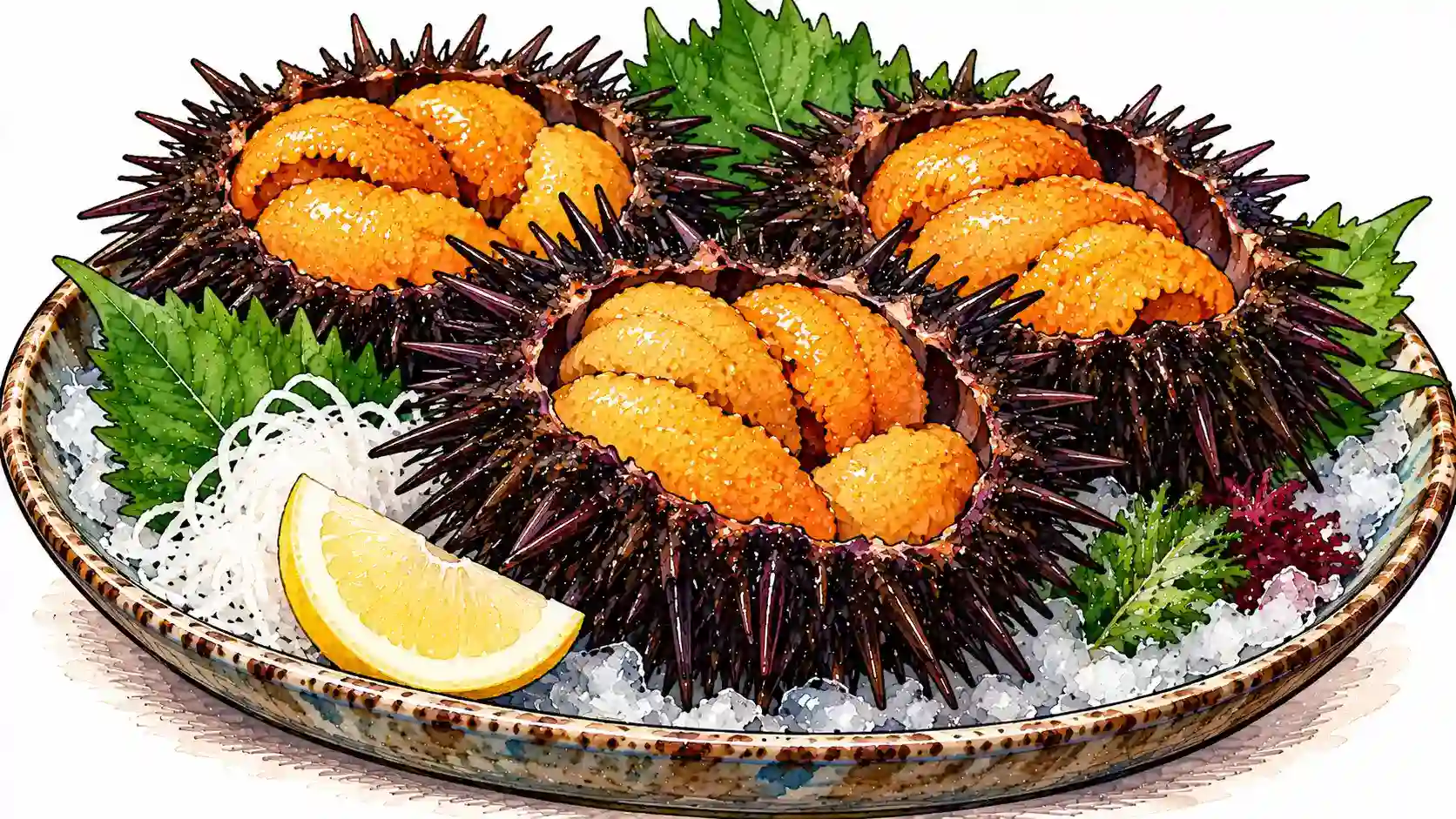
Rich, creamy, and intensely flavored with the taste of the ocean, kina is one of New Zealand’s distinctive seafood delicacies. These spiny marine animals contain golden-yellow to orange edible gonads, often called roe, prized for their soft texture and powerful briny flavor. Known as sea urchins elsewhere in the world, kina have been gathered by Māori communities for generations and remain an important part of New Zealand’s coastal food culture. Whether eaten fresh from the shell or incorporated into cooked dishes, this unusual delicacy offers a taste of the country’s marine environment and culinary heritage.
What Is Kina?
Kina is the Māori name commonly used in New Zealand for the sea urchin Evechinus chloroticus, a species found in coastal waters around the country. These marine invertebrates have rounded bodies covered in sharp spines and typically live on rocky reefs and other suitable underwater surfaces. The species is endemic to New Zealand, meaning it is found naturally nowhere else.
The edible portion consists of the animal’s gonads, which are often called roe in culinary descriptions. Their color can range from pale yellow to bright golden yellow, depending partly on the animal’s diet, habitat, season, and reproductive condition. The texture is soft and creamy, while the flavor is famously rich, salty, and strongly oceanic. Some people compare it to oysters or other intensely flavored seafood, although kina has a distinctive taste of its own.
Kina is especially associated with Māori food traditions and coastal gathering. It is commonly eaten raw, but it can also be incorporated into cooked dishes. Its strong flavor means that even a small portion can make a memorable impression.
Quick Facts
- Food Category: Seafood and marine invertebrates
- Scientific Name: Evechinus chloroticus
- Origin: New Zealand coastal waters
- Main Ingredient: Sea urchin gonads, commonly called roe
- Typical Flavor: Rich, creamy, salty, and intensely briny
- Texture: Soft, smooth, and delicate
- Common Preparations: Raw, baked, or incorporated into seafood dishes
- Cultural Significance: A traditional Māori kaimoana, or seafood
Common Ingredients
Kina is often enjoyed with little additional seasoning because its rich flavor is considered the main attraction. Other ingredients may complement its natural brininess or incorporate it into a larger meal. Recipes vary, so the following are examples rather than a fixed traditional ingredient list.
- Kina: The main ingredient, carefully removed from the shell and prepared for serving.
- Lemon Juice: Adds acidity that can balance the rich, oceanic flavor.
- Salt: Sometimes used sparingly to enhance the natural taste.
- Butter: Used in some cooked preparations to add richness.
- Onion: Provides a savory base for dishes featuring kina.
- Eggs: Sometimes combined with kina in cooked recipes.
- Bread or Toast: Can accompany fresh kina or serve as a base for spreads and other preparations.
How Kina Is Prepared
Preparing kina begins with collecting sea urchins from suitable coastal habitats. Their hard shells are covered with sharp spines, so careful handling is necessary. The shell is opened, and the edible gonads are removed while avoiding unwanted material from inside the animal.
One of the simplest ways to enjoy kina is to eat the fresh roe directly from the shell. This preparation highlights its natural creamy texture and intense ocean flavor without the need for additional ingredients. Some people prefer a small squeeze of lemon, while others enjoy it unseasoned.
Kina can also be used in cooked dishes. Depending on the recipe, it may be baked, gently heated, or combined with ingredients such as eggs, butter, and onion. Cooking changes its texture and aroma, and excessive heat can affect its delicate consistency.
Freshness and safe handling are essential. Kina should be collected only from areas where harvesting is permitted, following current local catch limits and restrictions. Marine biotoxin warnings and other food-safety advisories should also be checked before gathering wild seafood. Some marine toxins are not destroyed by cooking, so heating kina does not make seafood from a closed or affected area safe. Commercially supplied kina should come from a reputable source.
History & Origins
Kina has a long history as a traditional food among Māori communities in New Zealand. Coastal peoples developed extensive knowledge of local marine resources, including the habitats, seasonal patterns, and harvesting practices associated with edible shellfish and other sea life.
As a form of kaimoana, a Māori term for seafood, kina has been gathered as part of broader coastal food traditions. It can be collected from rocky shorelines and underwater reefs, providing a locally available food source for communities with access to the sea.
Traditional food gathering can also involve cultural knowledge and responsibilities connected to the marine environment. The Māori concept of kaitiakitanga is associated with guardianship and the responsibility to care for the natural world. Its meaning and practice vary by context and community, but it is relevant to discussions of customary harvesting and the long-term health of coastal resources.
Today, kina remains a recognizable part of New Zealand’s seafood culture. It is eaten in coastal communities, featured in some restaurants, and valued by people seeking traditional Māori foods. Its continued harvest also highlights the importance of healthy marine ecosystems, responsible fisheries management, and respect for customary practices.
Varieties & Differences
In New Zealand, the word kina usually refers to Evechinus chloroticus. However, the appearance, texture, and flavor of the edible gonads can vary with the animal’s diet, season, habitat, and reproductive condition.
- Fresh Raw Kina: The roe is removed from the shell and eaten without cooking, emphasizing its creamy texture and intense briny flavor.
- Baked Kina: Prepared with other ingredients and heated in an oven, producing a warmer, more developed flavor.
- Kina with Eggs: Combined with eggs in a cooked dish that balances the roe’s rich flavor with a familiar ingredient.
- Kina-Based Spreads: Kina may be incorporated into spreads or other dishes, depending on local and contemporary recipes.
- Commercially Harvested Kina: Supplied through commercial seafood channels, with availability depending on species, location, and harvesting conditions.
Kina is sometimes compared with sea urchin roe served in Japanese cuisine, where it is known as uni. Both refer to edible sea urchin gonads, but the species, flavor, and culinary traditions can differ. The term uni also refers to the edible portion rather than to a single sea urchin species.
How Kina Is Enjoyed
Kina is often eaten fresh as a small seafood dish, either directly from the shell or served alongside bread and other simple accompaniments. Its intense flavor makes it especially appealing to people who enjoy oysters, mussels, and other strongly flavored marine foods.
Cooked preparations provide another way to enjoy kina. It may be baked with other ingredients or added to recipes that benefit from its creamy consistency and distinctive taste. Because the flavor can be powerful, many cooks keep the surrounding ingredients relatively simple.
For Māori communities, kina is more than an unusual seafood ingredient. It forms part of a broader relationship with coastal food resources and traditional gathering practices. For visitors to New Zealand, trying kina can offer an introduction to the country’s distinctive marine cuisine and Māori food heritage.
Did You Know?
Kina is the Māori name commonly used for a sea urchin found around New Zealand!
The edible portion is not fish roe but the sea urchin’s reproductive tissue, which develops into soft, yellow to golden-orange lobes inside its spiny shell. Its rich flavor and cultural significance have made kina a distinctive part of New Zealand’s coastal food traditions.