
Pickles
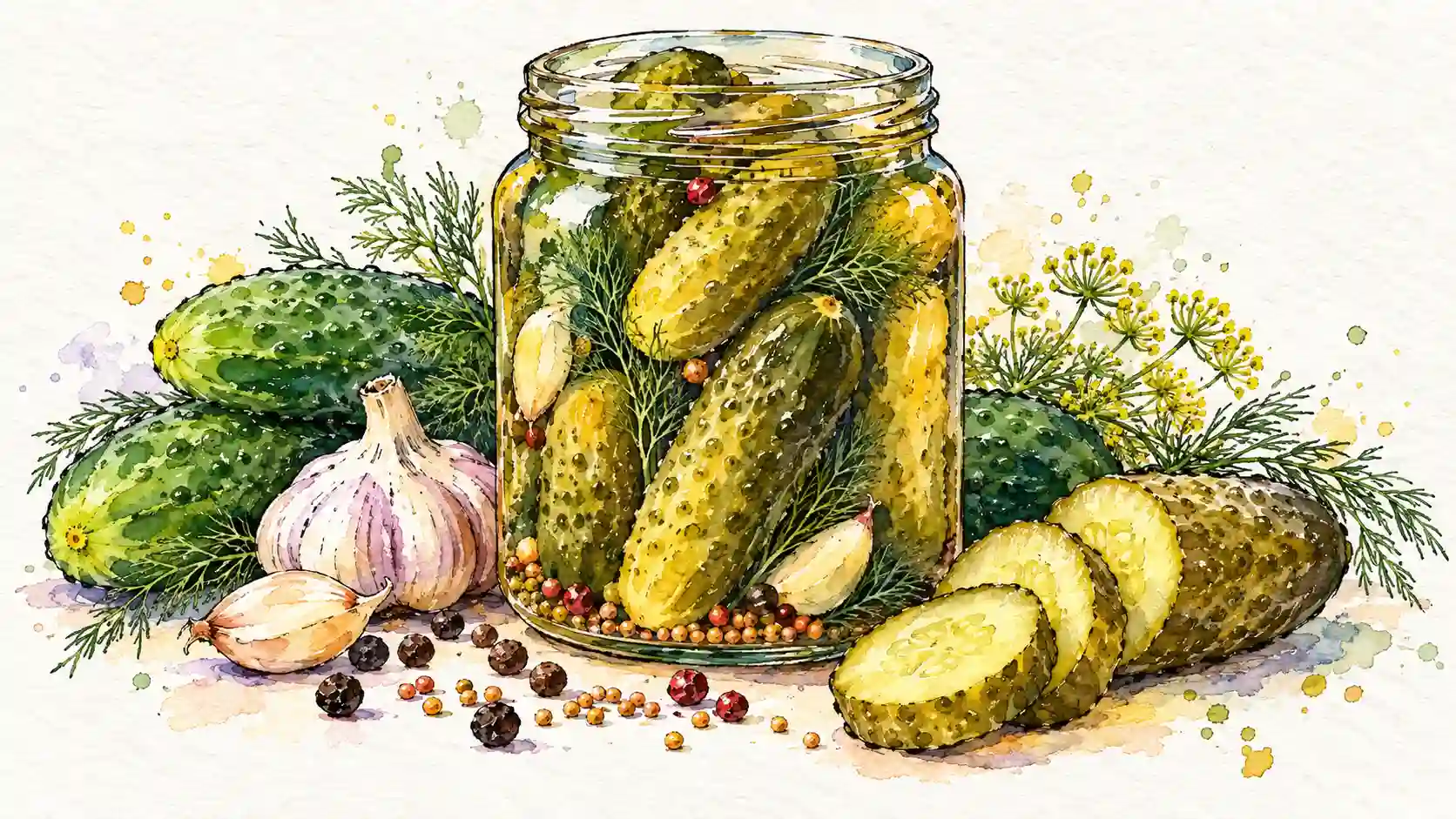
Crunchy, tangy, salty, and sometimes surprisingly sweet, pickles transform cucumbers into one of the world's most versatile condiments and snacks. Originally valued as a way to preserve seasonal foods, pickles are now enjoyed for their distinctive flavors as much as their practicality. Whether tucked into a sandwich, served beside a burger, or eaten straight from the jar, they add a bright, flavorful contrast to many meals.
What Are Pickles?
In the United States, the word pickle usually refers to a cucumber preserved in vinegar or a saltwater brine. More broadly, pickling is a preservation method used for many foods, including vegetables, fruits, and some other ingredients.
Cucumber pickles range from mildly salty and crisp to intensely sour, spicy, or sweet. Their flavor depends on the ingredients and preparation method. Vinegar-pickled cucumbers get their acidity from added vinegar, while fermented pickles develop their characteristic sourness through the activity of beneficial lactic acid bacteria.
Quick Facts
- Food Category: Pickled & Fermented Foods
- Main Ingredient: Cucumber
- Common Seasonings: Dill, garlic, mustard seeds, and spices
- Typical Flavors: Sour, salty, tangy, sweet, or spicy
- Preparation: Vinegar pickling or fermentation
- Common Uses: Snacks, sandwiches, relishes, and side dishes
Common Ingredients
Cucumber pickles are made with cucumbers and ingredients that provide flavor and, depending on the method, help preserve them. Recipes vary according to whether the pickles are fermented, vinegar-pickled, sweet, or spicy.
- Cucumbers: Small, firm cucumbers are commonly selected for pickling because they can retain a crisp texture.
- Water and Salt: Common components of the brine used for fermented pickles. Salt also appears in many vinegar-pickle recipes for flavor.
- Vinegar: Supplies acidity in vinegar-pickled varieties, including many sweet and bread-and-butter pickles.
- Dill: Adds a distinctive herbal flavor, especially in dill pickles.
- Garlic: Provides a savory, aromatic flavor often associated with deli-style dill pickles.
- Mustard Seeds and Spices: Add aroma and complexity. Recipes may include peppercorns, coriander, or other seasonings.
- Sugar: Common in sweet pickles and bread-and-butter pickles, balancing the acidity with sweetness.
How Pickles Are Made
Cucumber pickles are commonly made using two methods: vinegar pickling and fermentation. Both can produce a tangy result, but they work differently.
Vinegar pickling uses a liquid containing vinegar, water, salt, and sometimes sugar and spices. The added acidity gives the cucumbers their characteristic tang. Quick-process pickles made this way are not necessarily fermented, even when they are left to absorb the flavors for several hours or days.
Fermentation relies on naturally occurring lactic acid bacteria. Cucumbers are submerged in a properly prepared saltwater brine, where these bacteria convert natural sugars into lactic acid. As acidity increases, the pickles develop a sour flavor and distinctive aroma. Garlic, dill, and other seasonings may be added to the brine.
The two methods can produce different flavors, textures, and storage requirements. Pickles that have not been processed for shelf-stable storage generally need refrigeration. For home preservation, use tested recipes and follow their instructions carefully. The correct salt concentration matters for fermentation, while the vinegar acidity and ingredient proportions are important for safely preparing vinegar-pickled products for canning.
History & Origins
Pickling developed as a way to preserve seasonal foods before modern refrigeration. Salt, acidic liquids, and fermentation allowed people to extend the usable life of certain foods while creating flavors that became important parts of local cuisines.
Food preservation through pickling has ancient roots, and Mesopotamia is frequently mentioned in accounts of its early history. However, the exact origins of cucumber pickling are difficult to establish, and the history of pickling as a whole spans many regions and traditions.
In the United States, cucumber pickles became closely associated with Jewish immigrant communities from Eastern Europe, particularly in New York City. Immigrants brought established traditions of fermenting and seasoning cucumbers, helping popularize the garlicky, sour pickles that became staples of Jewish delicatessens.
During the late 19th and early 20th centuries, pickle vendors and shops became a familiar feature of Manhattan's Lower East Side. Customers could buy brined cucumbers from vendors who sold them at different stages of fermentation. These traditions helped shape the New York deli pickle, although cucumber pickling itself long predates the neighborhood's pickle trade.
Varieties & Differences
Pickles come in many styles, from lightly sour fermented cucumbers to sweet, spiced slices. Names and preparation methods can vary by region and producer, but several varieties are especially familiar in the United States.
- Dill Pickles: Seasoned with dill and often garlic. They may be made through fermentation or vinegar pickling, so the name alone does not identify the preparation method.
- Kosher-Style Dills: Typically known for pronounced garlic and dill flavors inspired by Eastern European Jewish pickle traditions. The term describes a style and does not automatically mean that a product has formal kosher certification.
- Half-Sour Pickles: A deli-style variety that is usually fermented for a shorter period, producing a milder tang and a fresh cucumber flavor.
- Full-Sour Pickles: Usually fermented longer than half-sours, developing a stronger sour flavor. Exact terminology and fermentation times vary by producer.
- Bread-and-Butter Pickles: Usually sliced cucumbers preserved in a sweet-and-tangy vinegar mixture, often seasoned with onions and spices.
- Gherkins: Small cucumbers or pickled cucumbers, depending on regional usage. They may be prepared as sweet, sour, or spiced pickles.
- Sweet Pickles: Cucumbers preserved in a sweetened pickling liquid, often containing vinegar, sugar, and spices.
- Spicy Pickles: Cucumbers seasoned with chili peppers or other hot spices. They can be vinegar-pickled or fermented.
How Pickles Are Enjoyed
Pickles are eaten on their own as snacks or served alongside sandwiches, burgers, and other savory meals. Their acidity and crunch provide a contrast to rich, fatty, or creamy foods, making them a popular accompaniment to deli sandwiches and grilled dishes.
Chopped pickles also add tang to relishes, potato salads, tartar sauce, and other condiments. Pickled cucumbers are especially familiar in American diners and delis, while many other cultures have their own traditions of preserving vegetables in brine or vinegar. Although the ingredients and methods differ, pickled foods are enjoyed in cuisines around the world.
Did You Know?
Cucumbers are botanically fruits, even though they're usually treated as vegetables in cooking!
Cucumbers develop from flowers and contain seeds, making them fruits in botanical terms. That means a traditional cucumber pickle is technically made from a fruit, even though it's generally served as a savory food.