
Rocky Mountain Oysters
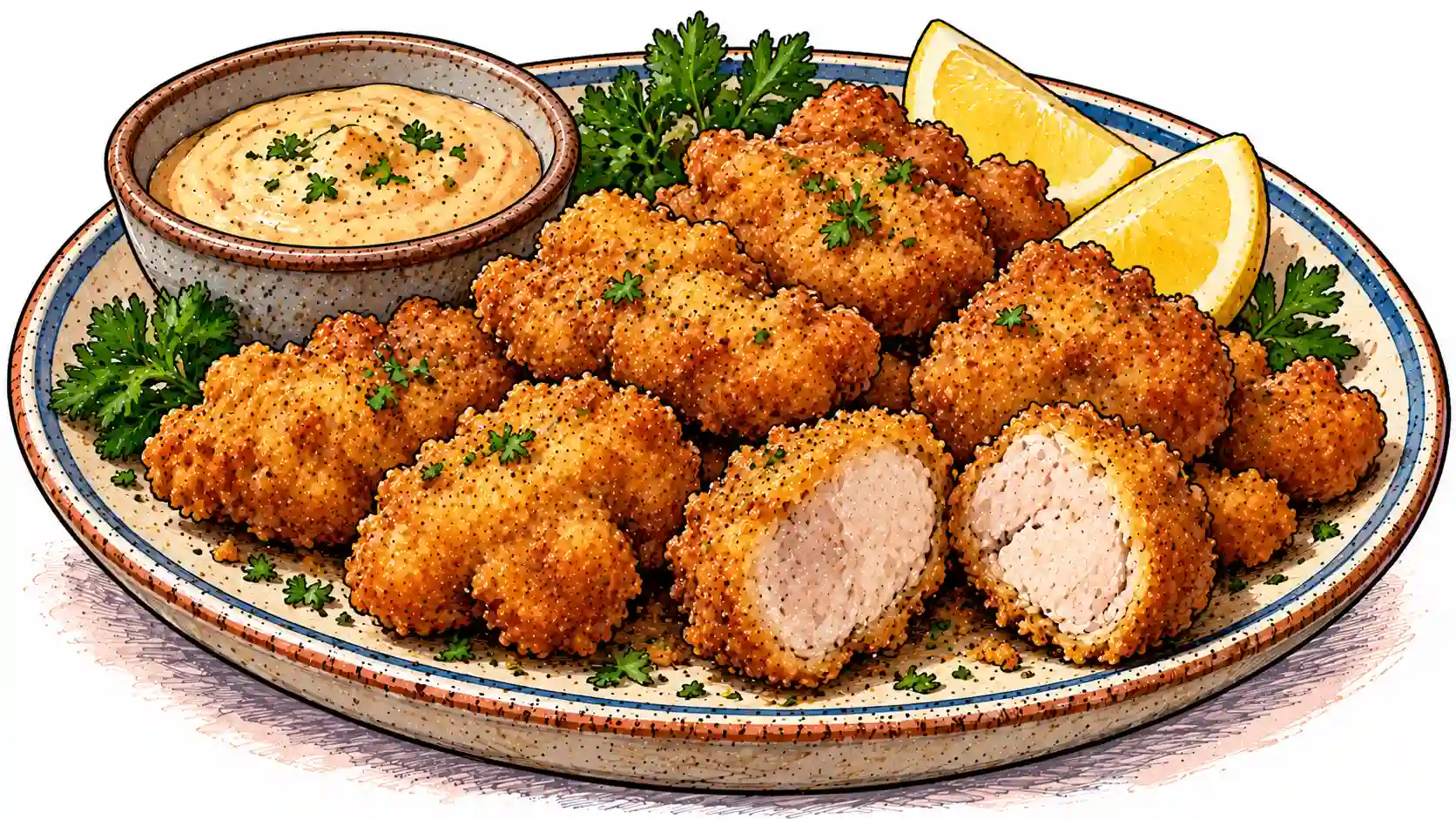
Despite their name, Rocky Mountain oysters have nothing to do with seafood. This unusual American Western dish is made from animal testicles, most commonly from cattle, which are peeled, sliced, breaded, and fried until golden and crisp. Associated with Colorado and other cattle-ranching regions of North America, the dish grew out of practical ranch cooking and the tradition of making use of edible parts of an animal. Today, Rocky Mountain oysters are served as a regional specialty, a novelty appetizer, and a conversation starter at Western-themed restaurants, ranch gatherings, and food festivals.
What Are Rocky Mountain Oysters?
Rocky Mountain oysters are a regional dish made from livestock testicles, most commonly those of cattle. Despite the seafood-inspired name, they are an example of offal cooking, a culinary tradition that uses edible organs and other parts of an animal that might otherwise be discarded.
The meat is typically removed from its tough outer membrane, sliced into rounds or strips, coated in seasoned flour or breadcrumbs, and deep-fried. The result has a crunchy exterior and a tender, firm interior. Its flavor is often described as mild and savory, while the texture is sometimes compared to other fried foods, including calamari.
The dish is particularly associated with Colorado and other cattle-ranching areas of the American West. Related preparations go by names such as calf fries, bull fries, prairie oysters, and cowboy oysters. These terms are not used uniformly, and the animal used can vary by region or establishment, so the menu description is worth checking if the source matters to the diner.
Rocky Mountain oysters are often served as an appetizer with cocktail sauce, horseradish sauce, or another tangy dip. Their unusual name and ingredients have made them famous among adventurous eaters, but their roots lie in ranch cooking rather than seafood cuisine.
Quick Facts
- Origin: Associated with cattle-ranching communities in the American West
- Main Ingredient: Usually cattle testicles
- Other Names: Calf fries, bull fries, prairie oysters, and cowboy oysters
- Cooking Method: Peeled, sliced, breaded, and usually deep-fried
- Texture: Crisp coating with a tender, firm interior
- Flavor: Mild and savory, influenced by the coating and seasonings
- Common Accompaniments: Cocktail sauce, horseradish, lemon, or spicy dipping sauce
- Food Category: Offal dish and regional North American specialty
Common Ingredients
Traditional Rocky Mountain oysters require only a handful of ingredients. The coating adds crunch and seasoning, while dipping sauces provide acidity or heat to balance the fried exterior. Recipes differ among cooks and restaurants.
- Cattle Testicles: The primary ingredient in the classic version. Related preparations may use testicles from other livestock.
- Flour: Creates a coating and helps the breading adhere.
- Eggs: Often used as a binder to help flour, cornmeal, or breadcrumbs stick to the slices.
- Breadcrumbs or Cornmeal: Add crunch and help create a golden crust.
- Salt and Black Pepper: Provide basic seasoning.
- Garlic Powder or Paprika: Optional seasonings that add extra flavor to the coating.
- Cooking Oil: Used for deep-frying the slices until crisp and cooked through.
- Cocktail or Horseradish Sauce: Common dipping options that add tanginess and sharpness.
- Lemon: Sometimes served as a garnish for a fresh, acidic finish.
How Rocky Mountain Oysters Are Prepared
Preparation begins with cleaning the testicles and removing the tough outer membrane. This step helps prevent an unpleasantly chewy texture. The meat is then sliced into thin rounds or strips, depending on the cook's preferred style.
The slices may be soaked or seasoned before cooking, although recipes differ. They are often dipped in egg or another binding mixture and coated with flour, cornmeal, or breadcrumbs mixed with salt, pepper, and optional spices.
The coated pieces are usually deep-fried in hot oil until the exterior turns golden brown and crisp. Cooking time depends on the thickness of the slices and the method used, but the meat must be cooked thoroughly. As with other raw animal products, careful handling, clean preparation surfaces, separation from ready-to-eat foods, and appropriate cooking are important for food safety.
Once cooked, Rocky Mountain oysters are drained and served hot. Restaurants often arrange them on a platter with cocktail sauce, horseradish dip, lemon wedges, or other condiments. Some cooks prefer a thin coating that allows the meat's texture to stand out, while others use a thicker, crunchier breading.
History & Origins
Rocky Mountain oysters are closely associated with the cattle-ranching culture of the American West. In traditional livestock management, young male cattle were often castrated to control breeding and manage herds. The resulting testicles could be used as food, reflecting a practical approach to making use of edible parts of an animal.
Ranch hands and farming communities developed ways to prepare the meat, including frying it in a pan or over a fire. In some places, farmers and ranch workers cooked the testicles during or after routine livestock work and shared the food at gatherings. Similar traditions developed in other cattle-raising regions, so the dish should not be understood as exclusively originating in the Rocky Mountains.
The exact date and place where the dish first acquired the name "Rocky Mountain oysters" are not firmly established. The name is a humorous euphemism that compares the land-based ingredient to seafood oysters. Its unexpected wording has helped make the dish a regional curiosity and a frequent subject of food-related jokes.
Over time, Rocky Mountain oysters became associated with Colorado and other Western communities, appearing on restaurant menus and at local festivals. Their place in regional food culture reflects both the history of ranching and the broader tradition of eating organ meats in communities where using as much of an animal as possible was practical and valued.
Varieties & Differences
Although the classic Rocky Mountain oysters preparation is breaded and fried, related dishes vary by region, animal, coating, and cooking method. Common versions include:
- Classic Rocky Mountain Oysters: Slices of cattle testicles coated in seasoned flour or breadcrumbs and deep-fried.
- Calf Fries: A regional name for a similar dish, especially in parts of the American South and Southwest.
- Prairie Oysters: A name used in parts of Canada and other cattle-ranching regions for comparable preparations, which may be served in different ways.
- Spicy Versions: Made with chili powder, cayenne, or other seasonings in the breading for extra heat.
- Grilled or Pan-Fried Versions: Some cooks prepare the meat without a heavy breading, using a grill or skillet instead of deep-frying.
- Other Livestock Varieties: Related dishes may use testicles from sheep, pigs, or other animals, but the exact name and preparation vary.
Regional names are not always used consistently. If the animal source is important, diners should check the menu or ask the restaurant rather than relying on the dish's name alone.
How Rocky Mountain Oysters Are Enjoyed
Rocky Mountain oysters are usually served as an appetizer or shared platter rather than as an everyday main course. Their crunchy coating makes them easy to dip into sauces, and the hot, savory pieces are often accompanied by fries, pickles, or other casual restaurant sides.
In Colorado and other parts of the American West, the dish can be found at restaurants that celebrate regional food traditions. It is also associated with ranch events, community gatherings, and festivals where unusual or locally distinctive foods are part of the attraction.
For some diners, trying Rocky Mountain oysters is a way to experience Western food culture. Others enjoy them simply as a fried, savory dish. Their reputation as an adventurous food often attracts visitors who are curious about the ingredient, while the breading and dipping sauces can make the preparation more approachable for first-time tasters.
Despite the humorous name, the dish also reflects a broader tradition of nose-to-tail cooking. Using edible organs and less familiar cuts has been common in many cultures for practical reasons as well as flavor and culinary heritage. Rocky Mountain oysters are one distinctive North American example of that tradition.
Did You Know?
Rocky Mountain oysters are not oysters at all. Their name is a playful euphemism for fried livestock testicles, most commonly from cattle. Their association with Western ranching and their surprising name have helped make them one of Colorado's best-known regional food curiosities.