
Sannakji
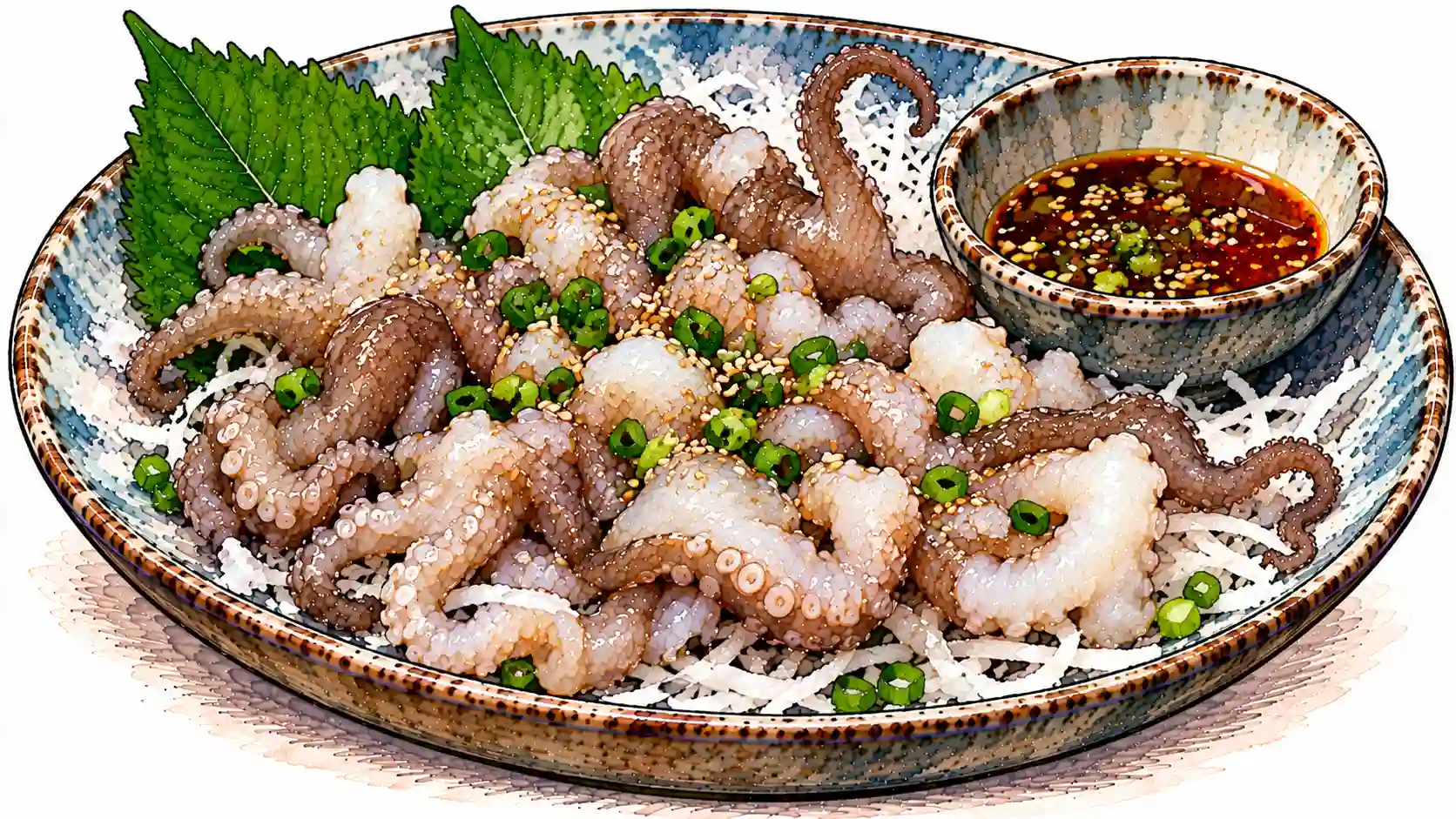
Fresh, slippery, and famous for its tentacles that appear to wriggle on the plate, sannakji is one of South Korea’s most talked-about seafood dishes. Traditionally prepared from small octopuses that are cut into pieces shortly before serving, this Korean delicacy is known for its delicate ocean flavor and distinctive texture. Often accompanied by sesame oil, salt, and sesame seeds, sannakji is a memorable part of Korean seafood culture. Its unusual appearance attracts curious diners, but the dish also carries a serious choking risk because the suction cups on the octopus’s arms can remain active after cutting.
What Is Sannakji?
Sannakji (산낙지) is a Korean raw octopus dish traditionally made with the long-arm octopus, Octopus minor, known in Korean as nakji. The name is often translated as “live octopus,” but the common preparation involves cutting the octopus into small pieces shortly before serving. Less commonly, it may be served in larger or more intact portions.
Freshly cut pieces may continue to move because octopus arms contain extensive nerve networks capable of producing reflexive movements even after the arms are separated from the animal. The pieces are usually served immediately, often with sesame oil, salt, and sesame seeds. Sannakji has a mild, slightly sweet seafood flavor, while its texture is chewy, slippery, and springy.
Although the movement is a major part of the dish’s reputation, sannakji is also valued by diners for its freshness and texture. However, the suction cups on the arms can adhere to the mouth or throat, creating a potentially life-threatening choking hazard.
Quick Facts
- Food Category: Seafood and Korean cuisine
- Origin: South Korea
- Main Ingredient: Small octopus, commonly Octopus minor
- Common Seasonings: Sesame oil, sesame seeds, and salt
- Typical Flavor: Mild, slightly sweet, and briny
- Texture: Chewy, slippery, and springy
- Preparation: Usually cut into small pieces and served uncooked shortly after preparation
- Key Safety Concern: Choking from pieces adhering to the mouth or throat
Common Ingredients
Sannakji is usually prepared with just a few ingredients because the focus is on the freshness and natural flavor of the octopus. Simple seasonings complement the seafood without overpowering it.
- Octopus: The main ingredient, traditionally a small long-arm octopus cut into pieces.
- Sesame Oil: Adds a rich, nutty aroma and is often used as a dipping sauce base.
- Sesame Seeds: Provide a light crunch and additional nutty flavor.
- Salt: Sometimes mixed with sesame oil or served separately as a simple seasoning.
- Dipping Sauce: Some restaurants offer additional sauces, which may include soy sauce or other seasonings.
- Optional Garnishes: Scallions, sliced chili peppers, or other accompaniments may be served with the dish.
How Sannakji Is Prepared
Preparing sannakji begins with obtaining fresh octopus from a reliable seafood supplier. The animal is handled and cleaned before being cut into small pieces. Depending on the restaurant and style of presentation, the arms may be cut into short sections, while the head and other portions may be prepared separately.
The pieces are arranged on a plate and served promptly, often with sesame oil, salt, and sesame seeds. Because octopus arms have extensive nerve networks, some pieces may continue to twitch or move after cutting. These movements can result from residual neural activity and do not, by themselves, establish that the animal is conscious.
Unlike cooked octopus dishes, traditional sannakji is served uncooked. This preserves its characteristic slippery texture and fresh seafood flavor, but it also means that the dish carries the food-safety risks associated with raw seafood. Freshness and hygienic handling are important, but they do not eliminate every risk.
The most serious hazard is choking. The suction cups on the arms can grip the mouth or throat, and medical literature has documented fatal choking incidents involving octopus dishes in Korea. Cutting the octopus into small pieces does not eliminate the risk, and advice to chew thoroughly should not be taken as a guarantee of safety. People concerned about choking should choose a fully cooked octopus dish instead.
History & Origins
Sannakji is part of South Korea’s broader seafood tradition, which reflects the country’s long coastline and the importance of fishing in local food culture. Octopus has been eaten in Korea for generations and appears in a variety of cooked, seasoned, and raw preparations.
The dish is associated with seafood markets and restaurants where diners can select fresh octopus. Coastal communities have long made use of locally available marine ingredients, and different Korean octopus dishes reflect different approaches to preparation, seasoning, and texture.
Sannakji became more widely recognized outside Korea as international travel, food television, and online videos introduced more people to Korean cuisine. Its unusual presentation, with pieces that may continue moving on the plate, has made it a memorable subject in food and travel media.
Today, sannakji remains a recognizable Korean seafood specialty. Some diners seek it out for the unusual experience, while others appreciate it as one part of a wider culinary tradition built around fresh seafood.
Varieties & Differences
Sannakji generally refers to freshly cut octopus served uncooked, but its presentation and accompaniments vary between restaurants. Other Korean octopus dishes use similar ingredients while offering different textures and cooking methods.
- Classic Sannakji: Small pieces of freshly cut octopus served with sesame oil, salt, and often sesame seeds.
- Sannakji with Dipping Sauce: Served with additional seasonings or sauces according to restaurant preference.
- Larger-Piece or Whole-Octopus Presentation: Some versions use more intact portions rather than finely cut pieces, which can increase the choking hazard.
- Nakji Tangtangi: A presentation of finely chopped nakji, commonly seasoned with sesame oil and sesame seeds.
- Cooked Octopus Dishes: Korean cuisine also includes boiled, grilled, and spicy stir-fried octopus, offering alternatives to raw sannakji.
These dishes should not be confused with nakji-bokkeum, a popular Korean preparation of octopus stir-fried with chili-based seasoning and vegetables. Unlike traditional sannakji, nakji-bokkeum is cooked and typically has a spicy, savory flavor.
How Sannakji Is Enjoyed
Sannakji is commonly served as a shared seafood dish at Korean restaurants and may be enjoyed alongside other specialties. Sesame oil and sesame seeds provide a simple accompaniment, while other side dishes can balance the octopus’s mild flavor.
The texture is a major part of the experience. The pieces are slippery and chewy, and some may move on the plate because of residual nerve activity. This unusual presentation is one reason sannakji has become famous among adventurous food enthusiasts.
However, the dish is not simply a novelty. It is part of a broader Korean tradition of eating seafood in a variety of forms. Diners who want to experience Korean octopus cuisine without the specific choking hazard associated with uncooked, suction-cup-bearing pieces can choose cooked preparations such as grilled octopus or nakji-bokkeum.
Did You Know?
Octopus arms can continue moving after they have been cut because their nerve networks can generate reflexive activity.
That is why sannakji may appear to wriggle when served. Movement alone does not establish consciousness, but the suction cups can remain capable of gripping surfaces, which contributes to the dish’s serious choking hazard.