
Shirako
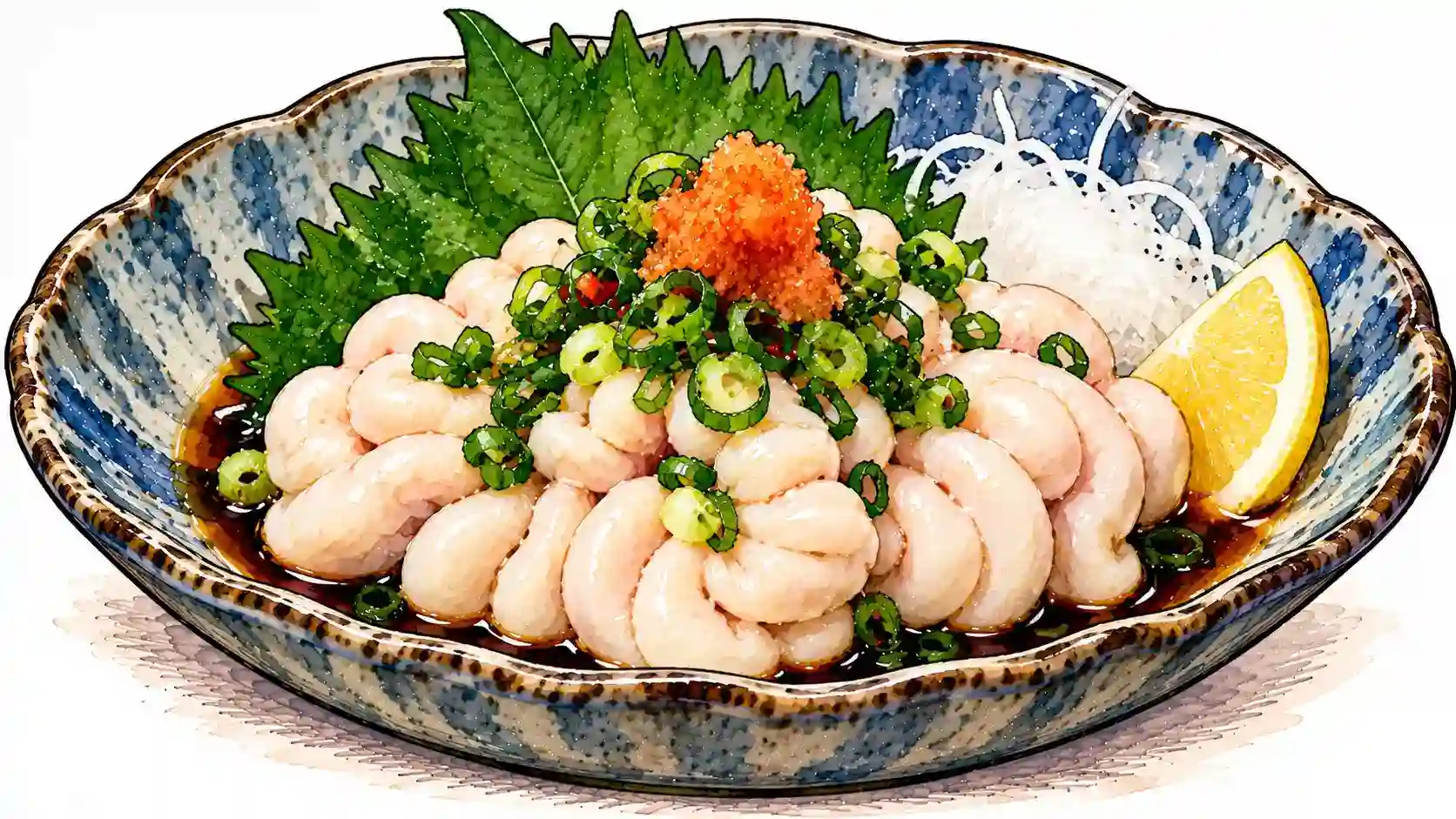
Silky, delicate, and unlike almost any other seafood, shirako is one of Japan’s distinctive seasonal delicacies. It is made from the milt, or sperm-producing reproductive tissue, of male fish and is prized for its soft texture and subtle ocean flavor. Often enjoyed during the colder months, shirako can be served lightly poached with citrus-based sauce, grilled, battered and fried, or simmered in broth. Although its origin may surprise some diners, it has an established place in Japanese cuisine, where seasonal ingredients and distinctive seafood specialties are appreciated for their flavor and texture.
What Is Shirako?
Shirako is the Japanese culinary term for the milt of male fish. It is sometimes called “soft roe” in English, but it is not the same as fish eggs. Common sources include cod, pufferfish, and anglerfish, although the species used depends on the season, region, and availability.
Fresh shirako has a creamy, delicate texture that can resemble custard. Its flavor is generally mild, slightly sweet, and subtly briny, making it well suited to simple seasonings. Cod shirako is especially associated with winter in Japan, although the season varies with the fish species and location.
Despite its unusual origin, shirako is treated as a seafood delicacy rather than simply a novelty. Its appeal comes from its smooth texture, delicate taste, and association with seasonal Japanese dining.
Quick Facts
- Food Category: Seafood and fish milt
- Origin: Japanese cuisine
- Main Ingredient: Milt from male fish
- Common Sources: Cod, pufferfish, and anglerfish; other fish may also be used
- Typical Flavor: Mild, creamy, and subtly briny
- Texture: Soft, smooth, and custard-like
- Typical Season: Often winter, depending on the fish species
- Common Preparations: Poached, grilled, fried, or served in broth
Common Ingredients
Shirako is usually prepared with a light touch because its delicate texture and flavor can be overwhelmed by heavy seasonings. Japanese preparations often rely on a few complementary ingredients.
- Shirako: The main ingredient, carefully cleaned and prepared for cooking or serving.
- Soy Sauce: Adds a salty, savory flavor when used as a seasoning or dipping sauce.
- Ponzu: A citrus-based sauce that provides acidity and freshness.
- Scallions: Contribute a mild onion flavor and a fresh finishing touch.
- Grated Daikon: Offers a refreshing contrast to the rich, creamy texture.
- Sake: Sometimes used in cooking to complement the seafood’s flavor.
- Tempura Batter: Used when shirako is lightly battered and fried until the outside becomes crisp.
How Shirako Is Prepared
Preparing shirako begins with carefully removing the milt from the fish and cleaning it to remove unwanted material. The tissue is delicate, so it must be handled gently to preserve its shape and creamy consistency.
One popular preparation is shirako ponzu. The milt is briefly blanched or otherwise cooked, cooled as appropriate, and served with ponzu sauce, scallions, or grated daikon. The citrusy sauce balances the richness of the shirako without masking its subtle flavor. Specific preparation methods vary, and a dish described as raw or lightly cooked requires particular attention to freshness and food safety.
Another well-known version is tempura shirako. The milt is coated in a light batter and fried, creating a crisp exterior around the soft interior. It can also be grilled, simmered in hot-pot dishes, or added to soups, where gentle cooking helps maintain its delicate texture.
Some restaurants serve certain types of shirako raw or lightly cooked, but these preparations carry food-safety risks. Thorough cooking is the safer option, particularly for people who are pregnant, older, immunocompromised, or otherwise more vulnerable to foodborne illness. Pufferfish shirako requires special caution: whether a particular part is edible depends on the species and applicable rules. It should only come from legally authorized, qualified suppliers and be prepared by appropriately licensed or trained professionals under local regulations. Do not assume that all pufferfish reproductive tissue is safe to eat.
History & Origins
Shirako is part of Japan’s longstanding tradition of using different parts of fish as food. In a cuisine shaped by fishing, seasonality, and regional seafood availability, ingredients that might be discarded elsewhere have become valued components of traditional cooking.
Its popularity is closely linked to seasonal seafood. Cod and some other fish are commonly harvested during colder months, when their milt may be especially developed. Cod shirako consequently became associated with winter meals and the enjoyment of ingredients available for only part of the year.
The exact origins of shirako as a distinct delicacy are difficult to pin down. Today, it is served in specialist seafood restaurants, traditional Japanese establishments, and other restaurants featuring seasonal fish. Its preparation reflects a broader culinary preference for highlighting an ingredient’s natural qualities rather than masking them with strong flavors.
Shirako remains a familiar seasonal specialty in Japan. It appears on both traditional and contemporary menus, where chefs may serve it in classic preparations or experiment with new combinations while highlighting its distinctive texture.
Varieties & Differences
Shirako varies according to the fish species from which it comes. Differences in size, richness, and texture influence how each type is prepared and served.
- Cod Shirako: A popular winter variety known for its soft texture and mild, creamy flavor.
- Pufferfish Shirako: Considered a prized delicacy in some Japanese restaurants, but it requires strict species-specific sourcing and professional handling because pufferfish can contain tetrodotoxin.
- Anglerfish Shirako: Another seasonal variety used in Japanese seafood cuisine, often prepared simply to emphasize its texture.
- Shirako Ponzu: Served with citrus-based ponzu sauce and fresh garnishes for a bright contrast to the creamy milt.
- Tempura Shirako: Lightly battered and fried, producing a crisp exterior and soft center.
- Grilled Shirako: Cooked over heat to develop a lightly browned surface and a richer flavor.
Although these preparations share the same basic ingredient, the fish species and cooking method can significantly change the eating experience. The most suitable preparation depends on the freshness, characteristics, and safe handling requirements of the particular shirako.
How Shirako Is Enjoyed
Shirako is often served as a small appetizer or seasonal course in Japanese restaurants. Its rich texture makes it satisfying in modest portions, while simple accompaniments such as ponzu, scallions, and grated daikon help balance its flavor.
Tempura shirako appeals to diners who prefer a crisp exterior, while grilled versions offer a more pronounced roasted taste. In colder weather, shirako may also appear in hot pots and soups, where its creamy texture complements the warm broth.
For newcomers, shirako can be an unexpected introduction to the range of ingredients used in Japanese seafood cuisine. Its appeal lies less in an intense flavor than in its delicate consistency and seasonal character. For many enthusiasts, enjoying shirako is part of appreciating the variety of seafood available during Japan’s winter dining season.
Did You Know?
The Japanese word “shirako” is commonly translated as “white children.”
The name refers to the pale appearance of fish milt. When prepared, it has a soft, creamy texture. Although the ingredient may seem unusual to some diners, it is valued in Japan as a seasonal seafood delicacy, especially during the colder months.