
Spaghetti
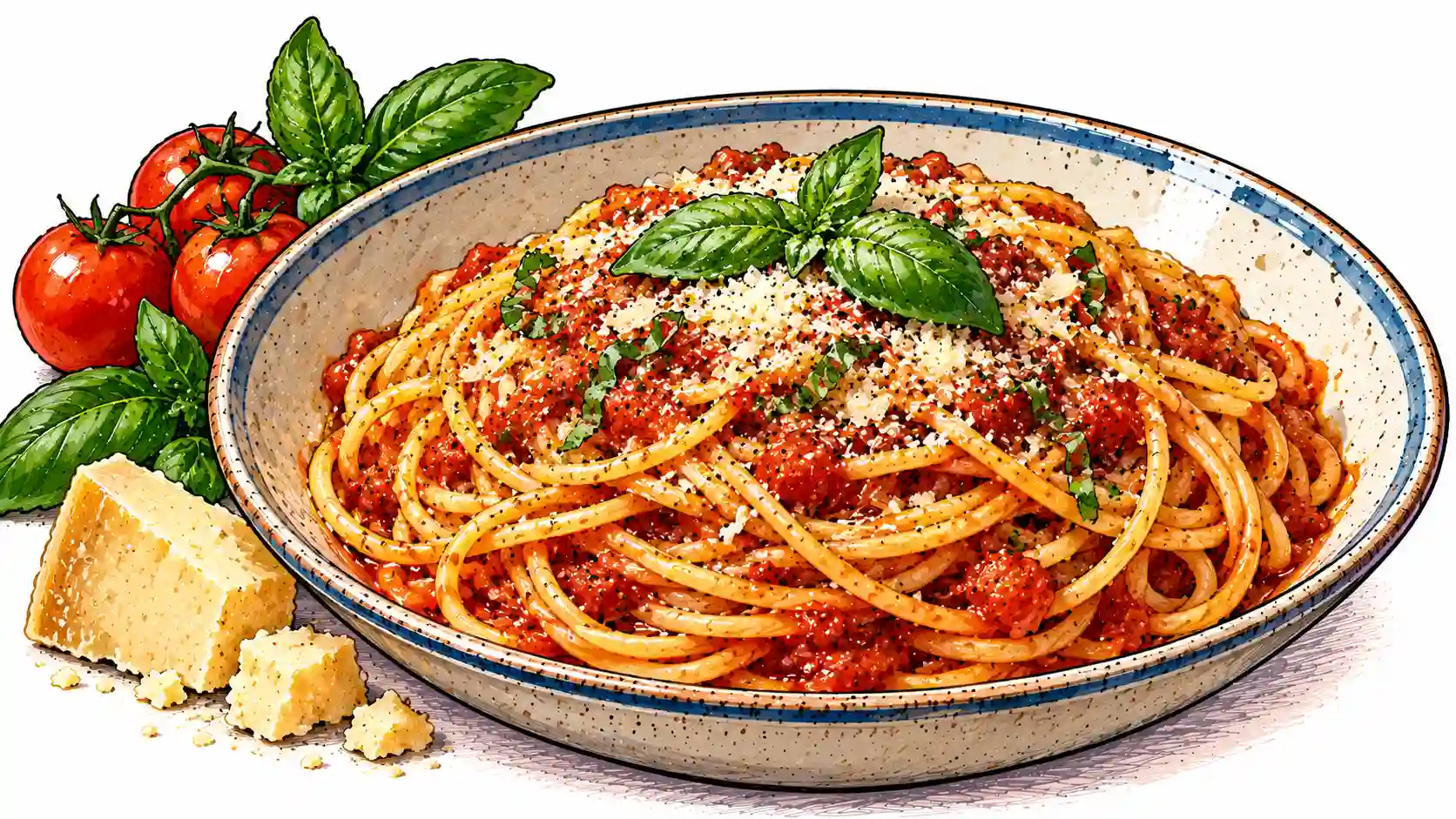
Few foods are as instantly recognizable as spaghetti. These long, thin strands of pasta are a staple of Italian cuisine and a favorite around the world, served with everything from simple tomato sauce to rich meat ragù, garlic and olive oil, or cheese and black pepper. Traditional dried spaghetti is typically made from durum wheat semolina and water, and is prized for its firm texture and versatility. Although it is now enjoyed in kitchens across the globe, spaghetti has deep roots in Italian food culture, where pasta shapes and sauces are often paired to create balanced, flavorful dishes.
What Is Spaghetti?
Spaghetti is a long, thin, cylindrical pasta traditionally made from durum wheat semolina and water. Its name comes from the Italian word spaghetto, the diminutive of spago, meaning "string" or "cord." The strands are cooked in boiling water until they reach the desired texture.
Unlike filled pasta such as ravioli or tortellini, spaghetti is usually served with a sauce or a mixture of other ingredients. Its rounded shape works well with olive oil, tomato-based sauces, seafood, cheese, and other ingredients that coat the strands.
One of spaghetti's defining features is its ability to remain pleasantly firm when cooked properly. Italian cooks often aim for al dente, a term meaning "to the tooth," which describes pasta that is tender but still offers slight resistance when bitten. Cooking time depends on the pasta's thickness, ingredients, and whether it is dried or fresh.
Spaghetti is closely associated with Italian cooking, but its popularity has made it a worldwide pantry staple. From a simple weeknight meal to a family dinner, it adapts easily to different ingredients, budgets, and culinary traditions.
Quick Facts
- Origin: Italy, within a broader history of pasta-making across the Mediterranean
- Main Ingredients: Durum wheat semolina and water in traditional dried spaghetti
- Shape: Long, thin, cylindrical strands
- Texture: Firm and springy when cooked al dente
- Flavor: Mild, wheaty, and slightly nutty
- Common Sauces: Tomato sauce, ragù, garlic and olive oil, and cheese-based sauces
- Cooking Method: Boiled in water until tender
- Food Category: Pasta and staple food
Common Ingredients
Spaghetti dishes can be remarkably simple or elaborate. The pasta itself requires only a few ingredients, while the sauce and toppings determine much of the finished dish's character.
- Durum Wheat Semolina: The traditional flour used for many dried spaghetti varieties. Its properties help pasta maintain a firm texture during cooking.
- Water: Combined with semolina to form the dough for traditional dried spaghetti.
- Tomatoes: A foundation for many popular sauces, adding acidity, sweetness, and savory flavor.
- Olive Oil: Used in sauces and dressings, contributing richness and a fruity aroma.
- Garlic: Adds fragrance and depth to simple oil-based and tomato sauces.
- Onions: Often cooked to add sweetness and body to sauces, particularly meat ragùs.
- Cheese: Parmesan or Pecorino Romano can provide a salty, savory finish, depending on the recipe.
- Fresh Herbs: Basil and parsley bring freshness to many spaghetti dishes.
- Meat or Seafood: Ground meat, guanciale, clams, shrimp, and other ingredients feature in particular preparations.
How Spaghetti Is Prepared
Traditional dried spaghetti is made by mixing durum wheat semolina with water to form a firm dough. The dough is shaped into long strands using pasta-making equipment and then dried under controlled conditions. Once properly dried, it can be stored for an extended period in a cool, dry place.
Fresh spaghetti can also be made at home or by specialist pasta makers. Depending on the recipe, fresh pasta may contain eggs, producing a different flavor and texture from dried semolina spaghetti. Fresh and dried pasta are not interchangeable in every recipe because their cooking times and textures can differ.
To cook spaghetti, bring a pot of water to a boil and add the pasta. Stir during the early stages to help prevent the strands from sticking together. Cook until tender but still slightly firm, using the package instructions as a guide. Before draining, reserve a little pasta water if the sauce will benefit from it.
Many Italian cooks finish the spaghetti directly in the sauce for a minute or two. A small amount of starchy cooking water can help the sauce coat the strands and create a cohesive dish. This technique, often called mantecatura in Italian cooking, helps bring the pasta, sauce, and other ingredients together rather than leaving the sauce simply poured on top.
History & Origins
Spaghetti belongs to Italy's long and varied pasta tradition. Different forms of pasta developed over centuries, shaped by regional ingredients, trade, cooking techniques, and local customs. Long, dried pasta became particularly associated with southern Italy, where durum wheat has played an important role in food production.
One of the most persistent myths about spaghetti is that the Venetian explorer Marco Polo brought pasta to Italy from China in the 13th century. Historical evidence does not support this familiar story. Pasta was known in Italy before Marco Polo's travels, and a 12th-century account by the Arab geographer Muhammad al-Idrisi describes the production of a form of dried, threadlike pasta in Sicily. This early product should not automatically be equated with every detail of modern spaghetti, but it demonstrates that pasta-making was established in Italy well before Marco Polo returned from Asia.
China also has a long history of noodle-making, and noodle traditions developed in different parts of the world. However, the existence of noodles in both China and Italy does not establish that Marco Polo introduced Italian pasta. The history of pasta involves a much longer development of food traditions and culinary exchange across the Mediterranean and beyond.
By the 19th century, spaghetti was strongly associated with Naples and southern Italian food culture. Improvements in pasta production, drying, and storage helped make dried pasta a practical everyday food. Tomatoes, introduced to Europe from the Americas after the 15th century, eventually became central to many sauces now associated with Italian pasta, although tomato-based pasta dishes developed later than pasta itself.
As Italians migrated around the world, they brought their pasta traditions with them. Spaghetti became especially popular in North America and other regions, where recipes adapted to local ingredients and preferences. Today, it remains both a symbol of Italian cuisine and a versatile food enjoyed in countless international variations.
Varieties & Differences
Classic spaghetti has a familiar round shape, but related pasta types offer different thicknesses, textures, and culinary uses. The sauce and preparation method also make a major difference in the finished dish.
- Spaghetti al Pomodoro: A classic preparation with tomato sauce, often flavored with garlic, olive oil, and basil.
- Spaghetti alla Carbonara: A Roman pasta dish traditionally made with eggs, Pecorino Romano, guanciale, and black pepper. Traditional versions do not use cream, as the creamy texture comes from the egg-and-cheese mixture combined with pasta water.
- Spaghetti aglio e olio: A simple Neapolitan preparation featuring garlic and olive oil, often with chili flakes and parsley.
- Spaghetti alle Vongole: An Italian coastal favorite made with clams, garlic, olive oil, and often white wine and parsley.
- Spaghetti al Ragù: Spaghetti served with a slow-cooked meat sauce. Recipes vary by region, and some famous ragùs, including the Bolognese style, are traditionally paired with other pasta shapes.
- Spaghettini: A thinner variety of spaghetti that works well with light sauces and delicate seafood preparations.
- Spaghettoni: A thicker version of spaghetti that offers a more substantial bite and can pair well with robust sauces.
- Whole-Wheat Spaghetti: Made with whole-grain wheat flour, offering a more pronounced grain flavor and a different texture from refined semolina pasta.
Gluten-free spaghetti is also widely available, made from ingredients such as rice, corn, or legumes. These alternatives allow people who avoid wheat to enjoy similar dishes, although their cooking behavior, texture, and flavor can differ from traditional semolina pasta.
How Spaghetti Is Enjoyed
In Italy, spaghetti is commonly served as a first course, known as a primo, rather than automatically being treated as the main course of a meal. It may be followed by a separate meat, fish, or vegetable course. At home, however, a generous plate of spaghetti can easily serve as a complete meal, particularly when paired with vegetables, seafood, or a hearty sauce.
Spaghetti is typically eaten with a fork. Diners often twirl a small amount of pasta against the inside of the plate to gather the strands neatly. Table manners and habits vary, but cutting spaghetti with a knife is generally unnecessary.
The choice of sauce can transform the dish. A light olive oil and garlic preparation emphasizes the pasta itself, while tomato sauce creates a bright, familiar flavor. Meat sauces add richness, and seafood versions reflect the importance of coastal ingredients in many Italian regions.
Outside Italy, spaghetti has inspired countless local interpretations, from spaghetti and meatballs to baked pasta casseroles and spicy fusion dishes. These versions may differ from traditional regional recipes, but they demonstrate how easily spaghetti adapts to different food cultures.
Did You Know?
The famous Marco Polo story about spaghetti is a myth. Although Polo traveled to China in the 13th century, pasta was already known in Italy before his journeys. A 12th-century account describes dried, threadlike pasta being produced in Sicily, showing that Italian pasta traditions did not begin with Marco Polo bringing noodles back from Asia.