
Tuna Eyeballs
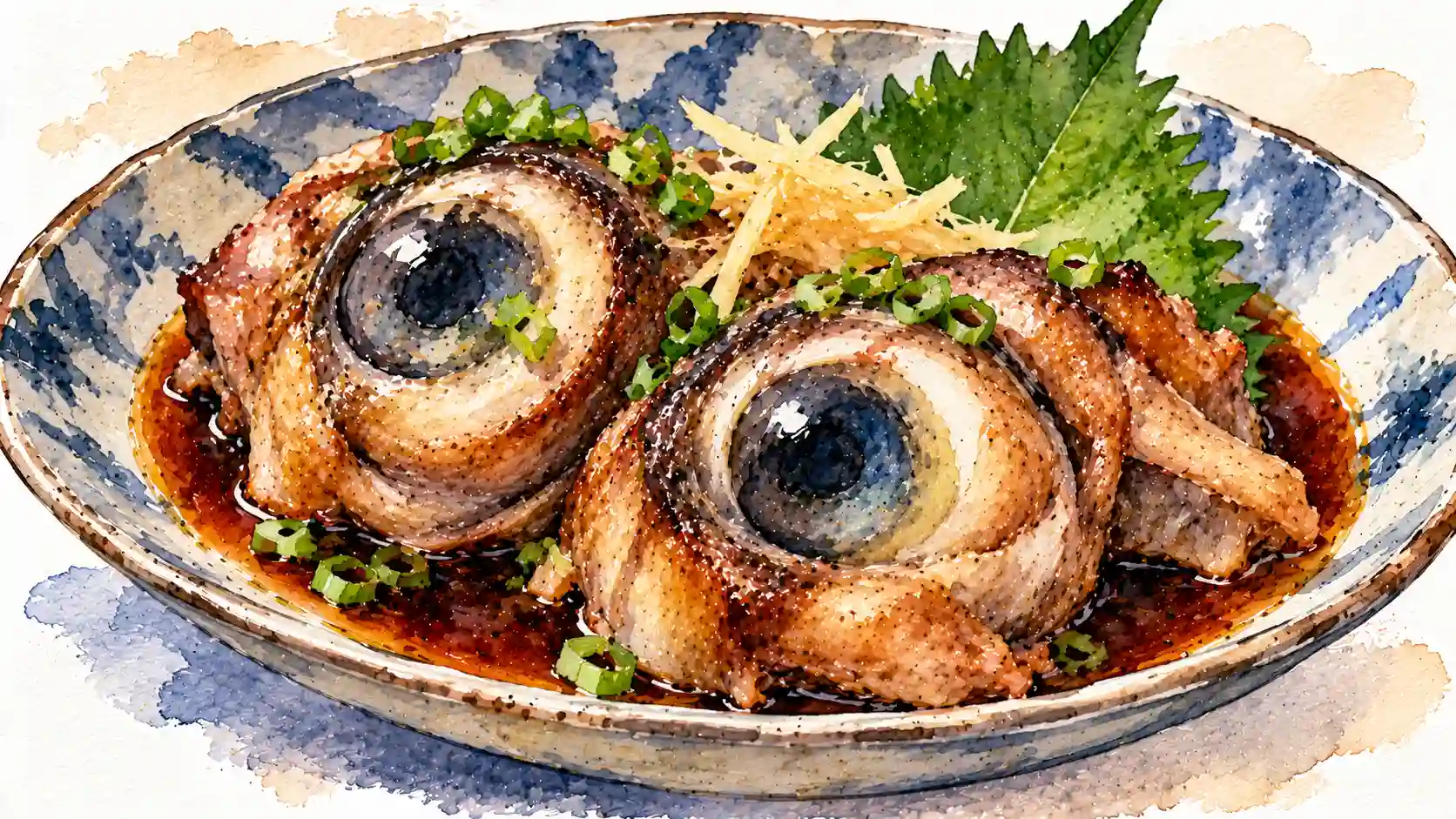
Tuna eyeballs are an unusual seafood specialty associated with Japan, where the eyes of large fish may be cooked and eaten rather than discarded. Often simmered or braised with soy sauce, ginger, sake, and other seasonings, they offer a soft, gelatinous texture and a mild, savory flavor. Although the idea of eating fish eyes may surprise some diners, the dish reflects a broader culinary tradition of making use of edible parts of seafood and appreciating textures beyond ordinary fillets.
What Are Tuna Eyeballs?
Tuna eyeballs are the eyes removed from large tuna, including species such as bluefin tuna. Because tuna can grow to an impressive size, their eyes are much larger than those of many smaller fish. This makes them substantial enough to prepare as a distinct ingredient rather than treating them as a tiny part of the fish.
The edible portions include the eyeball and surrounding tissues. When cooked, the inner tissues can develop a soft, slippery, or gelatinous consistency, while the outer layer may become firmer and chewy. The flavor is generally mild and savory, with the cooking liquid and seasonings contributing much of the final taste.
Fish eyes are not an everyday meal for everyone in Japan, and their availability varies by region, market, and restaurant. They are better understood as a traditional specialty seafood preparation than as a dish universally eaten across the country.
Quick Facts
- Main Ingredient: Eyeballs from large tuna
- Country Associated with the Dish: Japan
- Common Cooking Methods: Simmering and braising
- Typical Seasonings: Soy sauce, ginger, sake, mirin, and sometimes sugar or dashi
- Texture: Soft, gelatinous interior with firmer surrounding tissues
- Flavor: Mild and savory, shaped by the cooking sauce
- Serving Style: Usually served cooked as a specialty seafood dish or small plate
Common Ingredients
Recipes for tuna eyeballs vary, but Japanese-style preparations often use familiar ingredients from the country's simmered seafood dishes. These seasonings add fragrance and balance without necessarily overwhelming the natural flavor of the fish.
- Tuna Eyeballs: Cleaned and prepared before cooking.
- Soy Sauce: Adds saltiness and deep savory flavor.
- Fresh Ginger: Brings warmth and a fresh aroma that complements seafood.
- Sake: Often used in Japanese simmering liquids to add depth and round out flavors.
- Mirin: A sweet rice seasoning that can balance the saltiness of soy sauce.
- Sugar: Sometimes added to create a gently sweet sauce.
- Water or Dashi: Forms the base of the cooking liquid in some recipes.
- Green Onions: May be used as an aromatic ingredient or garnish.
Not every preparation uses all of these ingredients. Some cooks prefer a simple soy-based broth, while others use a richer blend of sweet and savory seasonings. The goal is to cook the eyes thoroughly while allowing them to absorb the flavor of the liquid.
How Tuna Eyeballs Are Prepared
Preparing tuna eyeballs begins with careful cleaning. The eyes and surrounding tissues are handled hygienically, and any unwanted material is removed before cooking. Some recipes briefly blanch the eyes before simmering to remove surface impurities. As with other seafood, the quality of the raw ingredient and appropriate refrigeration are important.
Simmering in a Seasoned Broth
One documented approach is to simmer the eyeballs in a liquid seasoned with soy sauce, ginger, sake, mirin, and dashi. The ingredients are heated gently so that the flavor can develop while the tissues cook. This method produces a moist result and allows the seasoning to flavor the surface and surrounding tissues.
Braising for Deeper Flavor
Braising uses a relatively small amount of seasoned liquid and allows the fish eyes to cook slowly. As the liquid reduces, it can become more concentrated, coating the cooked ingredient with a savory glaze. Ginger is a useful addition because its fresh, pungent aroma balances the richness of the dish.
Serving the Cooked Eyes
Once fully cooked, tuna eyeballs may be served whole, with diners eating the soft interior and surrounding edible tissues. The texture can be unfamiliar to people accustomed to boneless fish fillets, since the eye contains several distinct structures rather than a single piece of muscle. The gelatinous tissues are an important part of the eating experience.
Cooking practices differ, so there is no single universal recipe. The essential principles are careful cleaning, adequate cooking, and seasoning suited to the delicate flavor of the seafood.
History & Origins
Tuna eyeballs fit into a wider tradition of using more than just the fillets of a fish. In many seafood cuisines, the head, cheeks, bones, skin, and other parts are valued for their flavor or texture. Using these ingredients can reduce waste and make better use of a fish that has been caught and processed.
Japan has a long and varied seafood culture shaped by coastal communities, fishing, preservation techniques, and regional cooking styles. Tuna is an important ingredient in several Japanese dishes, but the popularity of tuna eyeballs should not be confused with the much broader popularity of tuna sashimi and sushi. Eye preparations remain a more specialized choice, and their availability depends on local customs and access to large fish.
Similar dishes made from fish heads or eyes can be found in other parts of the world. These preparations developed in different cultural settings, but they share an appreciation for the edible parts of seafood that may be overlooked when only fillets are considered.
Varieties & Differences
Tuna eyeball dishes can vary according to the fish, the cooking liquid, and the style of preparation.
- Soy-Simmered Tuna Eyeballs: Cooked in a savory broth, often with ginger and a touch of sweetness.
- Braised Eyeballs: Slowly cooked until tender, with the sauce reduced to a more concentrated flavor.
- Simply Seasoned Preparations: Use fewer ingredients to let the seafood's natural taste remain prominent.
- Different Tuna Species: The size and structure of the eye depend on the species and size of the fish used.
- Other Fish-Eye Dishes: Similar preparations may use the eyes of other large fish, although they are not technically tuna eyeballs.
These differences mean that the dish does not have one fixed taste or texture. A gently simmered version may be delicate and moist, while a more concentrated braise can be richer and more intensely seasoned.
How Tuna Eyeballs Are Enjoyed
Tuna eyeballs are generally encountered as a specialty seafood dish rather than a standard menu item throughout Japan. Where available, they may be served as a small plate at an izakaya, a Japanese-style pub, or at a restaurant specializing in tuna. Their striking appearance can make them a conversation piece for adventurous diners, but their appeal also comes from the soft texture and savory sauce.
For people trying the dish for the first time, it helps to approach it as a different expression of seafood rather than expecting the firm, flaky texture of a fillet. The gelatinous tissues are central to the experience, and the seasoning can make the preparation comforting and familiar even when the main ingredient is unusual.
As with all seafood, tuna eyeballs should come from a reliable source and be stored at safe temperatures. The U.S. Food and Drug Administration recommends cooking finfish to an internal temperature of 145°F (63°C). Tuna species also differ in mercury levels: bigeye tuna is listed among the fish with the highest mercury levels in the FDA's advice for people who are or may become pregnant, breastfeeding people, and children. Because guidance depends on species and the person eating it, frequent consumption should take the type of tuna into account.
Did You Know?
The eyes of large tuna can be surprisingly substantial. Their size makes them easier to prepare as a separate dish than the eyes of many smaller fish, turning a part often discarded elsewhere into a distinctive seafood specialty.