
Frog Legs
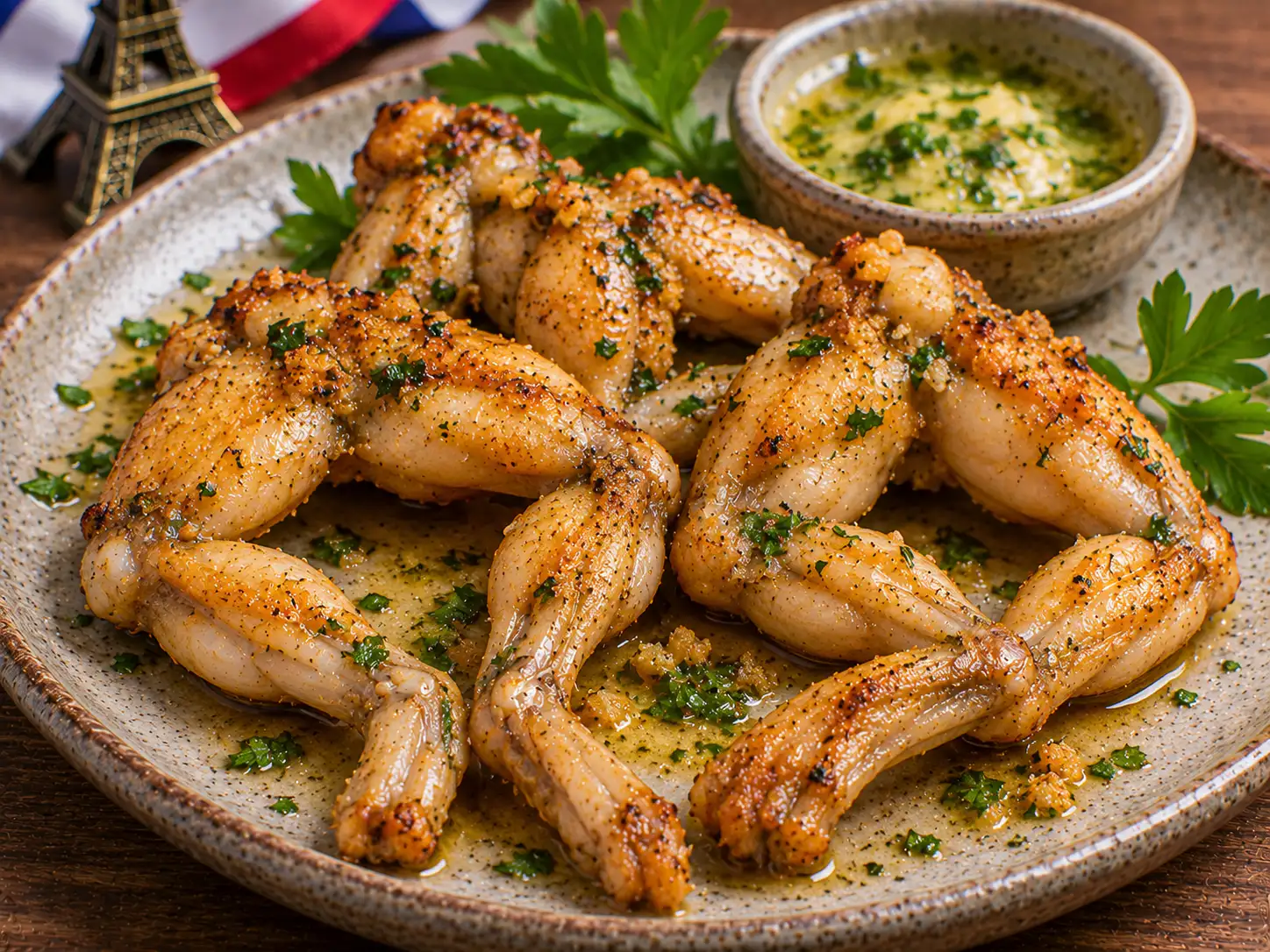
Tender, delicately flavored, and surprisingly versatile, frog legs have found a place in cuisines around the world. In France, they are famously sautéed in butter with garlic and parsley, while Chinese cooks may stir-fry them with ginger, chilies, and fragrant sauces. Their mild flavor is often compared with chicken, although their fine texture and subtle sweetness can also resemble fish. From elegant restaurant appetizers to boldly seasoned regional dishes, frog legs demonstrate how the same ingredient can take on remarkably different culinary identities.
What Are Frog Legs?
Frog legs are the muscular hind legs of edible frog species, prepared as food. The upper and lower portions of the legs contain small bones surrounded by pale, relatively lean meat. The hind legs are particularly valued because frogs use powerful leg muscles for jumping and swimming.
In French cuisine, the dish is known as cuisses de grenouille. In Chinese cooking, edible frogs are often called tianji (田鸡), a term sometimes translated as “field chicken.” Depending on the recipe, Chinese dishes may use the legs alone or other edible portions of the frog.
The flavor is mild and savory, with a subtle sweetness that readily absorbs sauces and seasonings. Properly cooked frog legs are tender but slightly springy, with a texture somewhere between delicate poultry and firm white fish.
Although frog legs are strongly associated with France, they are also eaten in parts of China, Vietnam, Indonesia, Thailand, and the southern United States. Species, preparation methods, and cultural traditions vary considerably between regions.
Quick Facts
Quick Facts
- Regions: France, China, Southeast Asia, and parts of the United States
- Main ingredient: Hind legs of edible frog species
- French name: Cuisses de grenouille
- Chinese culinary term: Tianji (田鸡)
- Meat color: Pale white to light pink when raw
- Flavor: Mild, delicate, and slightly sweet
- Texture: Tender, fine-grained, and lightly springy
- Common cooking methods: Sautéing, deep-frying, stir-frying, and simmering
- Traditional seasonings: Garlic, parsley, butter, ginger, chili, and herbs
Common Ingredients
Frog legs can be prepared simply or with assertive seasonings. French recipes often emphasize butter and fresh herbs, while many Asian dishes use aromatic ingredients and savory sauces.
- Frog legs: The central ingredient, typically sold cleaned and ready for cooking, either fresh or frozen.
- Butter: A classic ingredient in French preparations, giving the delicate meat a rich coating.
- Garlic: Adds a fragrant, savory character and is especially prominent in French garlic-parsley preparations.
- Parsley: Provides freshness and color in the traditional French preparation known as persillade.
- Lemon juice: Adds acidity that balances butter and complements the mild meat.
- Ginger and scallions: Common aromatics in Chinese stir-fries and other Asian preparations.
- Chili peppers and Sichuan pepper: Used in some Chinese dishes for heat, fragrance, and a tingling sensation.
- Flour or batter: Creates a crisp exterior when frog legs are pan-fried or deep-fried.
The choice of seasoning can dramatically change the eating experience. A lightly buttered French preparation highlights the meat itself, while a chili-rich stir-fry emphasizes heat, aroma, and sauce.
How Frog Legs Are Prepared
Frog legs are usually cleaned and trimmed before cooking. When sold frozen, they should be thawed safely under refrigeration. Their relatively small size means they cook quickly compared with larger cuts of poultry or meat.
In a classic French preparation, the legs may be lightly dusted with flour and sautéed in butter or oil until golden. Chopped garlic and parsley are added near the end, often with a squeeze of lemon juice. The finished dish is served hot, with the fragrant butter coating the meat.
Deep-fried frog legs offer a different texture. The legs are coated in seasoned flour or batter and fried until the outside is crisp. This method is particularly familiar in parts of the southern United States, where frog legs may be served with sauces, fries, or other side dishes.
Chinese preparations often involve stir-frying frog meat with ginger, garlic, scallions, and chili. Some dishes use a spicy broth, clay pot, or richly seasoned sauce rather than a dry stir-fry.
Food safety requires care. Frogs can carry bacteria and parasites, so their meat should come from an approved food supplier and be cooked thoroughly. Wild frogs should not be collected for eating without reliable species identification, knowledge of local laws, and appropriate food-safety expertise.
History & Origins
Frog consumption has a long history in several parts of the world, but there is no single country where the practice began. Communities living near wetlands, rivers, and rice-growing areas have used edible frogs as a source of animal protein for generations.
In France, frog legs became a recognizable part of regional cuisine, especially in areas with ponds and marshes. The Dombes region, northeast of Lyon, is particularly associated with frog dishes, including the familiar garlic-and-parsley preparation.
By the nineteenth century, frog legs were established in French restaurant cooking. Historic cookbooks recorded a variety of preparations, including fried legs and dishes featuring butter, herbs, and sauces. Over time, they became an internationally recognizable symbol of French gastronomy, even though they are not an everyday food for most French households.
In China, edible frogs belong to a broader tradition of preparing freshwater and wetland ingredients. Regional recipes include stir-fries, soups, and strongly seasoned dishes. The flavors vary considerably between cuisines such as Sichuan, Hunan, and Cantonese.
Frog legs are also consumed in Southeast Asia and in parts of the American South, where local species and cooking traditions shape the finished dishes. Their culinary history is therefore more geographically diverse than their familiar association with France might suggest.
Varieties & Differences
Frog legs are an ingredient rather than one standardized dish. Several preparations illustrate how widely the cooking styles can differ.
- Cuisses de grenouille en persillade: A classic French dish of frog legs sautéed with butter, garlic, and parsley, often finished with lemon.
- Fried frog legs: Legs coated in seasoned flour or batter and fried until crisp, a style also found in the southern United States.
- Sichuan-style frog: Frog meat prepared with chilies, garlic, and sometimes Sichuan pepper for a spicy, aromatic flavor.
- Ginger-scallion frog: A Chinese-style preparation emphasizing fragrant ginger, green onions, and savory sauce.
- Vietnamese lemongrass frog: Frog meat cooked with lemongrass, chili, garlic, and other seasonings.
- Indonesian swikee: A group of frog dishes, particularly associated with Chinese-Indonesian culinary traditions, that may include soup and other preparations.
The species used can also differ. International frog-leg trade involves numerous species, and meat sold simply as “frog legs” may come from different countries. This makes accurate labeling and traceable sourcing particularly important.
How Frog Legs Are Enjoyed
In France, frog legs are commonly served as an appetizer or restaurant specialty. A plate of cuisses de grenouille en persillade may arrive with crusty bread, which is useful for soaking up the garlic butter.
In Chinese restaurants, frog dishes may be part of a shared meal alongside rice, vegetables, and other main courses. Spicy versions emphasize contrasting textures: tender meat, aromatic sauce, and sometimes crisp chilies or vegetables.
In the southern United States, fried frog legs can be served in a more casual setting, paired with coleslaw, fries, or dipping sauces. Their resemblance to small chicken portions makes them approachable to diners trying the ingredient for the first time.
Responsible sourcing deserves attention. A substantial portion of the international frog-leg trade relies on wild-caught frogs, and researchers have raised concerns about overharvesting, species identification, animal welfare, and ecosystem impacts. Consumers can ask suppliers or restaurants about the species, country of origin, and whether the frogs were farmed or wild-caught.
Did You Know?
France is famous for eating frog legs, but much of the country's commercial supply has historically come from abroad. Indonesia and other exporting countries have played major roles in the international trade, making frog-leg sourcing an important wildlife conservation issue.
A Delicate Ingredient with Global Traditions
Frog legs reveal how different cuisines can transform the same delicate meat into remarkably different dishes. French garlic-parsley butter highlights their subtle flavor, Chinese stir-fries introduce powerful aromatics and heat, and fried preparations create a satisfying crispness. Beyond their culinary appeal, frog legs also connect food with wetland ecosystems and wildlife conservation. Understanding their origins and sourcing adds an important dimension to a dish enjoyed across several continents.