
Muttonbird
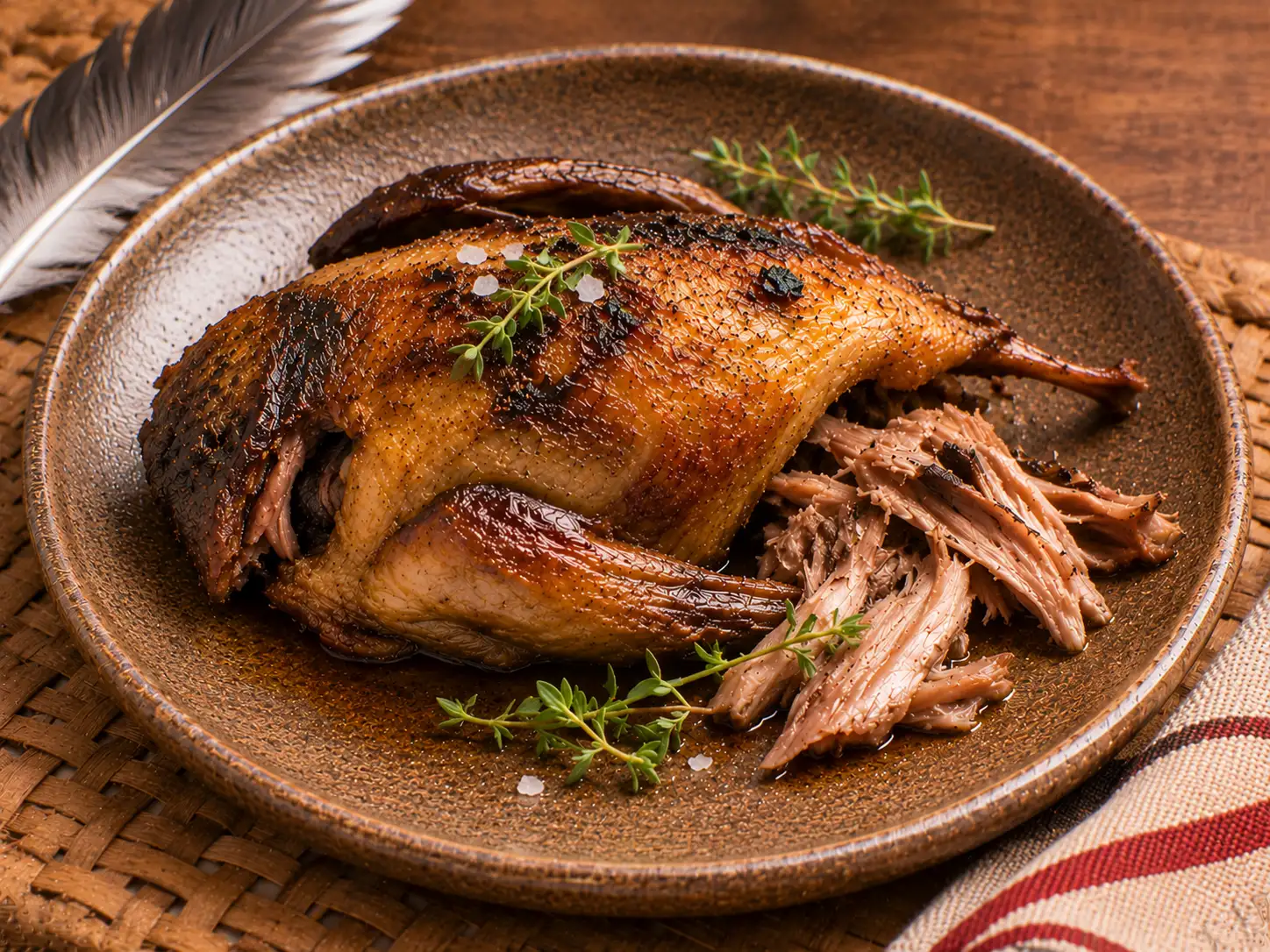
Rich, oily, and unmistakably flavored by the sea, muttonbird is a traditional food with deep cultural roots in Australia and New Zealand. Despite its name, it has nothing to do with sheep. The term usually refers to the chicks of certain migratory seabirds known as shearwaters, harvested seasonally and prepared through methods such as boiling, roasting, smoking, and salting. In Tasmania, muttonbirding remains an important practice for Aboriginal communities, while in southern New Zealand, the harvesting of tītī connects Rakiura Māori families with ancestral islands and generations of food knowledge.
What Is Muttonbird?
Muttonbird is a common name applied to several seabird species, particularly shearwaters whose young have traditionally been harvested for food. In Australia, the best-known muttonbird is the short-tailed shearwater (Ardenna tenuirostris), also called yolla or yula in Tasmanian Aboriginal contexts.
In New Zealand, the traditional food known as tītī primarily comes from the sooty shearwater (Ardenna grisea), which is a different species. Both birds belong to the petrel family and undertake extraordinary migrations across the oceans.
Muttonbird meat is darker, fattier, and more intensely flavored than ordinary chicken. Its taste is often described as a combination of rich poultry, oily fish, and game meat. The flavor reflects the birds' marine diet, which includes fish and other ocean organisms.
Although muttonbird can be served fresh, traditional preservation techniques are central to its culinary identity, especially in New Zealand, where salted tītī is a well-known specialty.
Quick Facts
Quick Facts
- Regions: Tasmania, Australia, and southern New Zealand
- Australian species: Short-tailed shearwater (Ardenna tenuirostris)
- New Zealand species: Sooty shearwater (Ardenna grisea)
- Indigenous names: Yolla or yula in Tasmania; tītī in New Zealand
- Main ingredient: Traditionally harvested young shearwaters
- Flavor: Rich, salty, oily, and strongly savory
- Texture: Dark, dense meat with a relatively high fat content
- Common preparations: Boiling, roasting, smoking, and salting
- Cultural significance: Ancestral foodways and seasonal harvesting traditions
Common Ingredients
Muttonbird dishes vary between families, communities, and regions. Some preparations highlight the bird's distinctive natural flavor, while others use herbs, vegetables, or seasonings to balance its richness.
- Muttonbird: The main ingredient, commonly prepared whole, split, or divided into portions.
- Salt: Traditionally important for preserving tītī and frequently used in preparing the meat for cooking.
- Water: Used for simmering salted birds and reducing excess saltiness before further preparation.
- Potatoes: A familiar accompaniment, providing a mild contrast to the strongly flavored meat.
- Pūhā or watercress: Leafy greens used in some Māori meals to complement the bird's richness.
- Onion and herbs: Used in various modern recipes to add sweetness and fragrance.
- Native Australian seasonings: Ingredients such as saltbush may appear in contemporary Tasmanian preparations.
Traditional recipes do not always require elaborate seasoning. The bird's natural fat and concentrated flavor can provide much of the character of the finished dish.
How Muttonbird Is Prepared
Preparation depends on whether the bird is fresh, smoked, or preserved in salt. Following a lawful seasonal harvest, birds are cleaned and processed using techniques that reflect local knowledge and modern food-handling requirements.
In New Zealand, tītī has traditionally been preserved to provide food beyond the harvesting season. Some customary methods use the birds' own rendered fat and containers made from kelp, creating a distinctive food-preservation tradition known as tītī pōhā. Modern preserved muttonbirds are commonly salted and packaged in suitable containers.
Salted muttonbird is often simmered in water before serving. Depending on how it has been preserved, the cooking water may be replaced to reduce excess salt. The meat may then be served with potatoes and vegetables or finished by roasting to develop a browned exterior.
In Tasmania, muttonbird may be roasted, smoked, or prepared in other ways. The meat's natural oiliness helps create a rich result, although careful cooking is needed to achieve the desired texture and flavor.
Because muttonbirds are protected native wildlife subject to specific harvesting rules, they should only be obtained through lawful, authorized channels. Food safety also matters: birds must be appropriately processed, stored, and thoroughly cooked, and traditional preservation methods should not be improvised without suitable expertise.
History & Origins
Muttonbirding has a long history in both Tasmania and New Zealand, but the traditions are distinct and belong to different Indigenous communities.
For Tasmanian Aboriginal peoples, harvesting short-tailed shearwaters has been part of seasonal life for generations. The birds return to breeding colonies on islands and coastal areas around Tasmania, creating opportunities for harvesting chicks for food and oil. The practice is also connected with knowledge of Country, family relationships, and the passing on of cultural skills.
European sealers and their Aboriginal families contributed to the development of a commercial muttonbird industry in the Bass Strait islands during the nineteenth century. However, Aboriginal relationships with these birds and their harvesting traditions long predate that industry.
In New Zealand, tītī harvesting is especially associated with Rakiura Māori and the islands surrounding Rakiura, also known as Stewart Island. Customary rights to harvest the chicks are maintained by descendants of particular families, and the annual season is an important occasion for returning to ancestral places.
Harvesting is not simply an economic activity. It strengthens connections between generations, allows practical knowledge to be shared, and maintains relationships with land and sea. These cultural dimensions are essential to understanding why muttonbird remains important today.
Varieties & Differences
The word muttonbird covers related but different food traditions. Species, preservation techniques, and serving customs vary across Australia and New Zealand.
- Tasmanian yolla or yula: Short-tailed shearwater chicks traditionally harvested in Tasmania and the Bass Strait islands, sometimes roasted or smoked.
- New Zealand tītī: Sooty shearwater chicks harvested by Rakiura Māori and often preserved for later consumption.
- Salted muttonbird: Birds preserved with salt, then generally simmered or otherwise cooked before serving.
- Smoked muttonbird: A preparation that adds smoky aroma to the naturally rich, oily meat.
- Roasted muttonbird: A cooking style that develops a browned exterior while retaining the bird's pronounced savory flavor.
- Tītī pōhā: A traditional Māori preservation method involving prepared birds, their fat, and specially constructed kelp containers.
These are not interchangeable traditions. The species harvested in Tasmania differs from the main species used for tītī in New Zealand, and the cultural rights and practices surrounding each harvest have their own histories.
How Muttonbird Is Enjoyed
Muttonbird is often enjoyed as part of family and community meals rather than treated as an everyday supermarket poultry product. In southern New Zealand, salted tītī is commonly paired with potatoes and greens, which help balance its intense flavor and richness.
In Tasmania, preparations may emphasize the natural character of the meat through roasting or smoking. Contemporary cooks sometimes pair it with ingredients such as native herbs, vegetables, or fruit-based accompaniments.
The taste can be surprising to someone accustomed to chicken. Muttonbird is noticeably oily, with an oceanic character that comes from the seabird's diet. Its name is traditionally associated with the richness of mutton, but the flavor is distinctive enough that comparisons with ordinary meat only tell part of the story.
For families involved in muttonbirding, the meal may represent much more than taste. The seasonal journey, shared work, preservation skills, and gathering of relatives are all part of the tradition. Enjoying the food can therefore be closely connected to remembering ancestors and maintaining cultural identity.
Did You Know?
Australia's and New Zealand's best-known muttonbirds are different species. Tasmanian muttonbirding centers on the short-tailed shearwater, while Rakiura Māori traditionally harvest the sooty shearwater, known as tītī. Both are extraordinary long-distance migratory seabirds.
A Seabird Delicacy with Deep Cultural Roots
Muttonbird is a powerful example of how food can connect people with seasonal migrations, ancestral territories, and inherited knowledge. Its rich, ocean-influenced flavor distinguishes it from conventional poultry, while traditional preservation methods reflect generations of practical experience. From Tasmanian yolla to New Zealand tītī, muttonbird remains an important expression of Indigenous food culture, family continuity, and the enduring relationship between people and the sea.