
Pulque
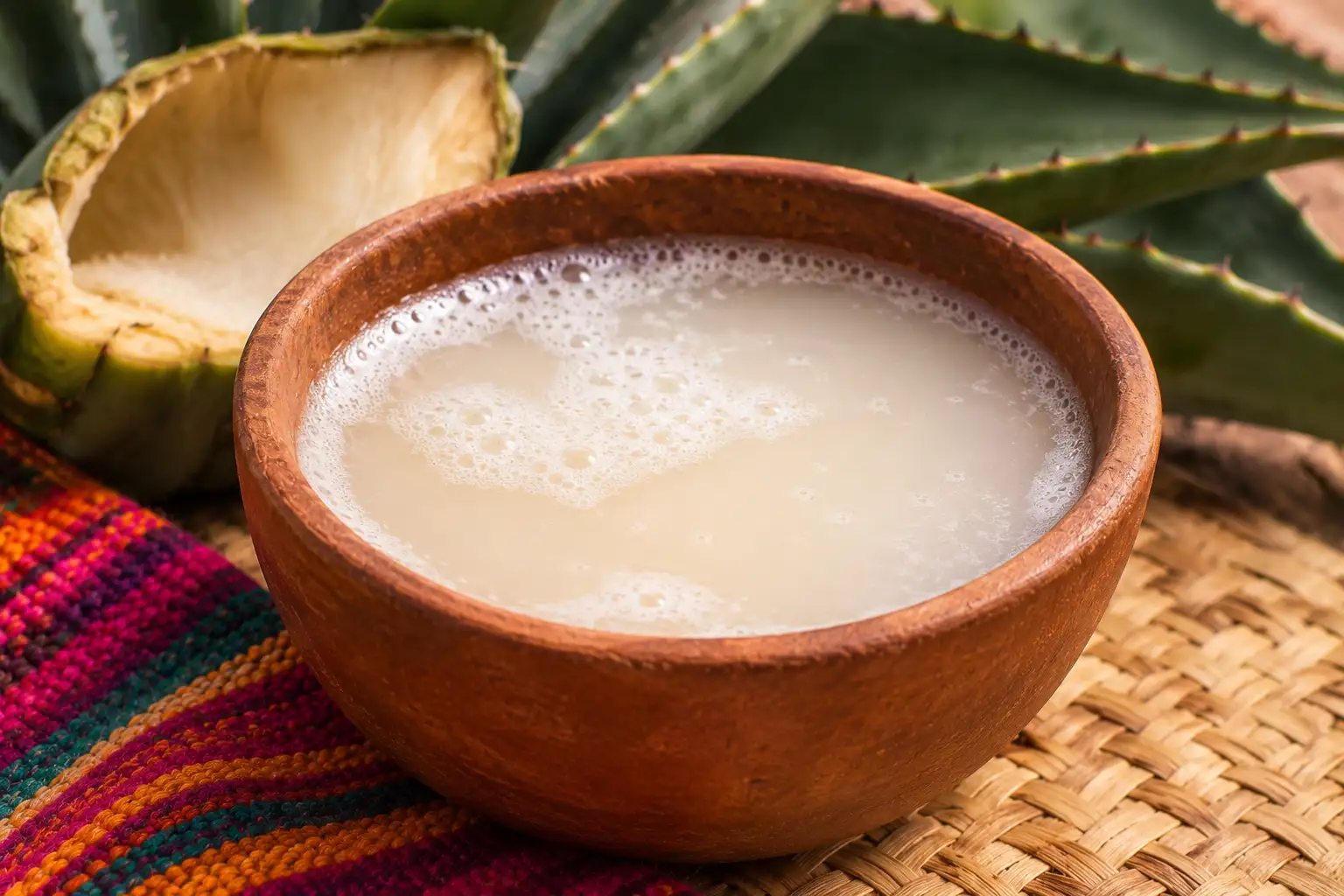
Milky white, gently tangy, and sometimes surprisingly thick, pulque is one of Mexico's oldest traditional alcoholic beverages. Made by fermenting the naturally sweet sap of mature agave plants, it has been enjoyed in central Mexico since pre-Hispanic times. Unlike tequila or mezcal, pulque is not distilled, and its flavor comes from a living fermentation involving bacteria and yeasts. Served plain or blended with fruits and other ingredients, this distinctive drink remains closely connected to Mexican history, rural traditions, and the colorful social spaces known as pulquerías.
What Is Pulque?
Pulque is a traditional Mexican alcoholic drink produced from fermented agave sap, known as aguamiel, meaning "honey water." The sap is collected from mature agave plants, especially species traditionally cultivated for pulque production.
The drink usually has a cloudy white or pale beige appearance and a consistency that ranges from relatively thin to noticeably viscous. Its flavor combines gentle sweetness, tart acidity, earthy notes, and a faintly yeasty character.
Pulque is particularly associated with the central Mexican highlands, including Hidalgo, Tlaxcala, Puebla, and the area around Mexico City. Its production depends on skilled workers who know when an agave is ready to provide sap and how to manage the fermentation.
Although pulque comes from agave, it differs fundamentally from tequila and mezcal. Those spirits are distilled from processed agave material, while pulque is made by fermenting fresh sap without distillation.
Quick Facts
Quick Facts
- Origin: Central Mexico
- Main ingredient: Fresh agave sap, called aguamiel
- Traditional plant: Pulque-producing maguey, including Agave salmiana
- Type: Naturally fermented alcoholic beverage
- Appearance: Cloudy white to pale beige
- Texture: Smooth, sometimes thick or lightly viscous
- Flavor: Tangy, mildly sweet, earthy, and fermented
- Typical alcohol content: Often around 4–7% ABV, although it varies
- Traditional venue: Pulquería
- Popular variations: Pulque natural and pulque curado
Common Ingredients
Traditional pulque is unusual because its basic form requires only agave sap and the microorganisms responsible for fermentation.
- Aguamiel: The sweet sap extracted from mature agave plants. It contains natural sugars that fuel fermentation.
- Fermentation microorganisms: Bacteria and yeasts convert sugars into acids, alcohol, and other compounds that give pulque its distinctive character.
- Previous-batch pulque: Some producers use a portion of established fermenting pulque as a starter to help guide the next batch.
- Fruit: Strawberry, guava, mango, and other fruits may be incorporated into flavored versions called curados.
- Nuts, grains, or other flavorings: Certain curados include ingredients such as oats, walnuts, or celery, depending on the producer.
Plain pulque, called pulque natural, has no need for added fruit or flavoring. Its flavor reflects the agave variety, freshness of the sap, microorganisms, and fermentation conditions.
How Pulque Is Prepared
Pulque production begins long before fermentation. A maguey plant must mature sufficiently before its sap can be harvested, a process that can take several years.
When the plant reaches the appropriate stage, an experienced harvester called a tlachiquero prepares a cavity in the center of the agave. Sweet sap accumulates in this hollow and is collected regularly, traditionally with a long gourd-like tool known as an acocote.
The freshly collected liquid is called aguamiel. Before fermentation, it is sweet and noticeably different from the finished alcoholic drink.
The sap is transferred to a fermentation vessel or production area known as a tinacal. There, bacteria and yeasts transform its sugars into lactic acid, ethanol, carbon dioxide, and compounds that contribute aroma and texture.
Unlike beer, pulque is not generally defined by a single standardized yeast culture. Its traditional fermentation involves a diverse community of microorganisms, and the exact combination can differ between producers and regions.
As fermentation develops, the sap becomes less sweet, more acidic, and increasingly cloudy. Some batches acquire a characteristic viscous consistency associated with microbial production of certain polysaccharides.
Fresh pulque is often consumed relatively soon after preparation because its flavor continues to change. Modern producers may use refrigeration or controlled processing to improve consistency and extend its usable life.
Because spontaneous fermentation does not automatically guarantee safety, hygienic sap collection, clean equipment, and appropriate storage are essential. Uncontrolled fermentation should not be assumed safe simply because the liquid develops a sour taste.
History & Origins
Pulque has deep roots in Mesoamerican food history. Archaeological and historical research indicates that fermented agave beverages were consumed in central Mexico before the arrival of the Spanish.
Direct chemical evidence consistent with pulque production has been identified in pottery from the ancient city of Teotihuacan. This supports the beverage's importance in pre-Hispanic society, although its exact date of invention remains unknown.
Among Nahuatl-speaking peoples, the drink was known as octli. It featured in ritual life and was associated with religious beliefs involving agave, fertility, and intoxication. The deity Mayahuel is particularly connected with maguey in central Mexican traditions.
During the colonial period, pulque became an increasingly important commercial beverage. Large estates cultivated maguey for sap production, while specialized establishments served the finished drink.
By the nineteenth century, pulquerías had become familiar gathering places, especially in Mexico City and central Mexico. They were known not only for selling pulque but also for their distinctive decorations, social atmosphere, and place in urban popular culture.
Industrial beer production and changing consumer habits later challenged pulque's popularity. Nevertheless, traditional producers and a renewed interest in regional foods have helped sustain the beverage into the present day.
Varieties & Differences
Pulque varies considerably in flavor and texture. Some differences come from fermentation, while others result from ingredients added after the basic drink has been prepared.
- Pulque natural: Plain fermented agave sap, with a tangy, earthy flavor and no additional fruit.
- Pulque curado: Pulque blended or flavored with fruit, nuts, grains, or other ingredients. It is often sweeter and more approachable to newcomers.
- Strawberry curado: A fruity version combining pulque's acidity with the familiar sweetness and aroma of strawberries.
- Guava curado: A fragrant variation featuring the tropical flavor of guava.
- Oat curado: A creamy variation in which oats contribute additional body and a mild cereal flavor.
- Regional artisanal pulque: Versions that reflect local agave varieties, harvesting practices, microbial communities, and fermentation preferences.
Pulque should not be confused with tequila, mezcal, or bottled agave syrup. While these products share a relationship with agave plants, their ingredients, production processes, and flavors are different.
How Pulque Is Enjoyed
Pulque is traditionally served in pulquerías, where customers may choose between plain pulque and an assortment of flavored curados. It can be served in glasses, mugs, or other vessels, depending on the establishment.
The plain drink has a flavor that may surprise someone accustomed to beer or cider. It can be pleasantly sour, earthy, and faintly yeasty, with a soft texture that feels thicker than many other alcoholic beverages.
Curados offer a different experience. Fruit or other added ingredients can balance the acidity and give the beverage a sweeter, more familiar profile.
In central Mexico, pulque is often enjoyed alongside traditional foods or as part of a casual gathering. Pulquerías have historically functioned as social spaces where conversation, music, and local customs form part of the experience.
Although pulque contains nutrients originating from agave sap and fermentation, it remains an alcoholic beverage. Its traditional reputation as nourishing does not make it a medical treatment, and claims about probiotic benefits require caution because microbial content varies from batch to batch.
As with other alcoholic drinks, pulque should be avoided during pregnancy, and its consumption can impair judgment and coordination. People who avoid alcohol should also be aware that its natural fermentation produces ethanol.
Did You Know?
Pulque and tequila both come from agave, but they use very different parts and processes. Pulque is made by fermenting sweet sap collected from a living mature maguey plant, while tequila is produced by cooking and processing the agave's central stem before fermentation and distillation.
A Living Tradition of Mexican Fermentation
Pulque is more than a cloudy, tangy drink. It carries the history of central Mexico's agave-growing landscapes, Indigenous food traditions, colonial-era trade, and lively pulquería culture. Its distinctive flavor and texture come from the interaction between sweet aguamiel and a diverse community of fermenting microorganisms. Whether enjoyed plain or as a colorful fruit curado, pulque remains a remarkable example of Mexico's longstanding knowledge of fermentation and the enduring cultural importance of the maguey plant.