
Salep
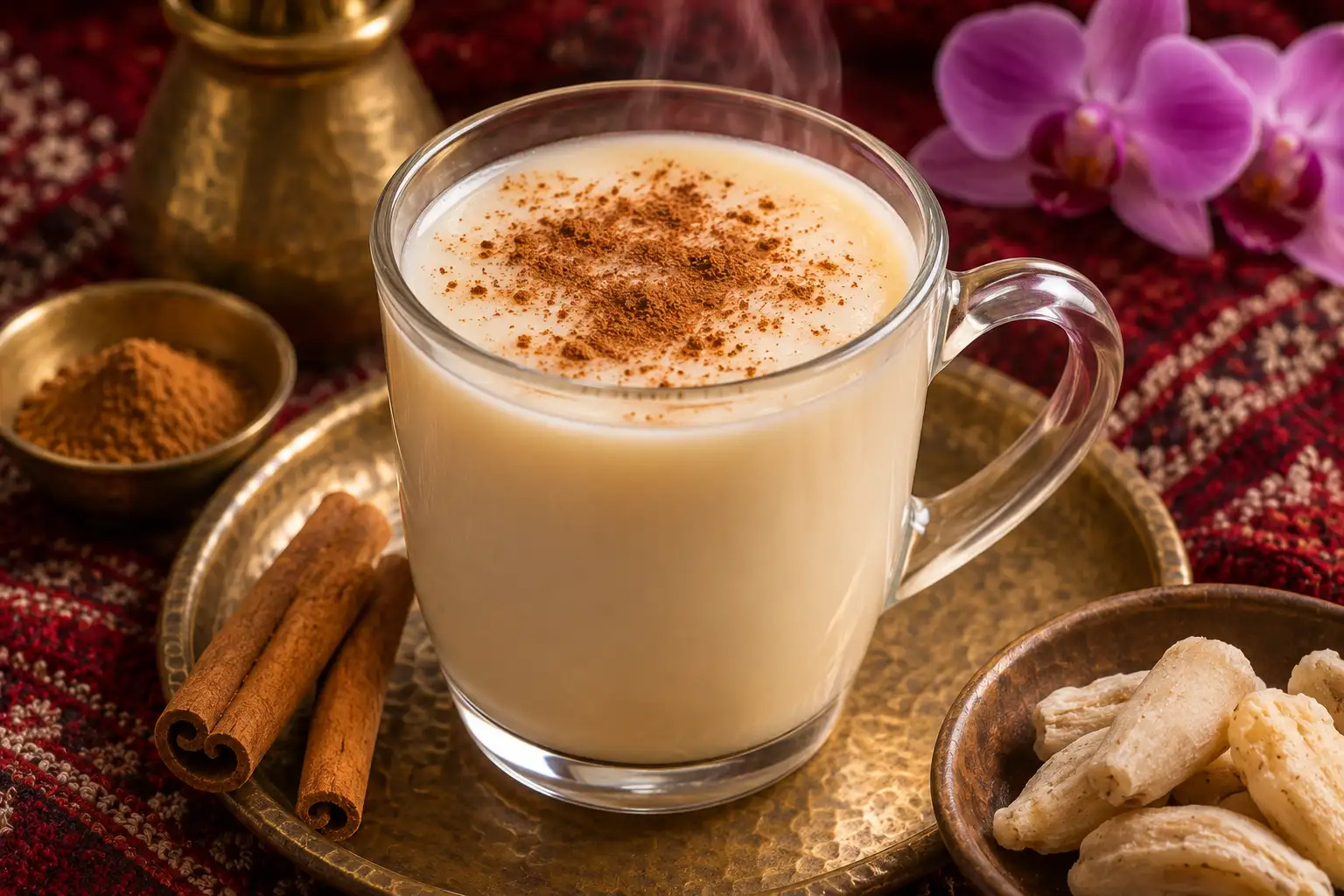
On a cold winter day in Türkiye, few drinks are as comforting as a steaming cup of salep. Thick, velvety, and dusted with fragrant cinnamon, this traditional beverage resembles a delicate milk pudding that can be sipped. Its distinctive consistency originally came from a surprising ingredient: flour made from the dried underground tubers of certain wild orchids. Salep has been enjoyed for generations in Turkish cafés, homes, and streetside stalls, but the growing demand for genuine orchid powder has also created serious conservation concerns. Today, the drink represents both a cherished culinary tradition and an important conversation about protecting wild plants.
What Is Salep?
Salep, also spelled sahlep, is a traditional hot beverage associated with Türkiye and neighboring regions. It is typically prepared by heating milk with sugar and a small quantity of salep powder until the mixture becomes thick and creamy.
The word salep can refer to both the finished beverage and the powder traditionally used to make it. Genuine salep powder comes from the dried tubers of certain terrestrial orchids, particularly species in genera such as Orchis, Anacamptis, and Dactylorhiza.
The tubers contain glucomannan, a water-binding polysaccharide that gives the drink its characteristic viscosity. Even a small amount can make warm milk noticeably thicker and smoother.
Traditional salep has a gentle, milky flavor with subtle earthy notes. Sugar contributes sweetness, while cinnamon sprinkled over the surface provides its most recognizable aroma.
Salep is particularly popular during winter, when it is served hot in cafés, pastry shops, and other establishments. It is also closely related to Turkish dondurma, the unusually stretchy ice cream that uses orchid-derived salep as a traditional thickening ingredient.
Quick Facts
Quick Facts
- Country of association: Türkiye
- Other spelling: Sahlep
- Type: Thick, sweetened hot milk beverage
- Traditional thickener: Powder from certain orchid tubers
- Main ingredients: Milk, sugar, and salep powder
- Typical topping: Ground cinnamon
- Appearance: Creamy white to pale ivory
- Flavor: Mildly sweet, milky, subtly earthy, and aromatic
- Texture: Thick, smooth, and velvety
- Traditional season: Autumn and winter
- Conservation concern: Unsustainable harvesting of wild orchids
Common Ingredients
Traditional Turkish salep relies on a short ingredient list. The quality of the milk and the thickening ingredient determines much of its texture.
- Milk: Usually cow's milk, providing the creamy base and mild dairy flavor.
- Salep powder: Traditionally made from processed orchid tubers. Its glucomannan helps produce the drink's characteristic thick consistency.
- Sugar: Adds sweetness and balances the subtle earthy flavor of genuine salep.
- Ground cinnamon: Sprinkled over the finished drink for a warm, fragrant topping.
- Alternative starches: Some modern salep-style mixes contain corn or other food starches to imitate the thick texture without using wild orchid tubers.
- Optional flavorings: Certain versions may include vanilla or other aromatic ingredients, although cinnamon remains the classic finishing touch.
Commercial salep mixes vary considerably. Some contain genuine orchid powder, while others rely primarily on starches, milk powder, sugar, and flavorings. The word "salep" on a package does not necessarily mean the product contains orchid tubers.
How Salep Is Prepared
The preparation of the traditional beverage begins with salep powder, milk, and sugar. The dry ingredients are commonly mixed before milk is added gradually, helping prevent the thickener from forming lumps.
The mixture is gently heated while being stirred. As the temperature rises, the thickening compounds absorb water and increase the liquid's viscosity. Continued stirring helps create an even, smooth consistency.
Once the drink becomes thick enough to coat a spoon but remains pourable, it is served hot. A dusting of ground cinnamon completes the familiar presentation.
Historically, the production of genuine salep powder involved collecting the underground tubers of suitable orchid species, boiling or otherwise processing them, drying them, and grinding them into flour.
This traditional source of the powder creates conservation challenges. Harvesting the tuber can destroy the orchid plant, and many terrestrial orchids are slow to establish and depend on specific ecological relationships to grow successfully.
For this reason, preparing salep-style drinks with readily available food starches can be a more responsible alternative than purchasing orchid powder of uncertain origin. These substitutes can reproduce much of the beverage's creamy texture, although they may not provide exactly the same flavor or consistency.
History & Origins
Salep has a long history in Anatolia and neighboring regions. Orchid tubers were used in food and traditional medicinal preparations centuries before the development of modern instant beverage mixes.
The drink became particularly recognizable in Ottoman culinary culture. Warm salep was sold as a comforting beverage during cold weather, and its thick consistency distinguished it from tea, coffee, and other popular drinks.
Historical references also connect salep with parts of southeastern Europe and the eastern Mediterranean. Related preparations remain known as salepi in Greece and sahlab in several Middle Eastern countries.
These drinks share an association with orchid-derived thickeners, but their modern recipes, garnishes, and serving customs differ. Some Middle Eastern sahlab preparations, for instance, feature coconut, nuts, or floral flavorings.
In Türkiye, salep also became important to ice cream production. Traditional Maraş dondurması, associated with Kahramanmaraş, uses salep to create the elastic, chewy texture that distinguishes it from ordinary ice cream.
Today, salep continues to evoke wintertime café culture. However, the popularity of salep drinks and dondurma has contributed to demand for orchid tubers, creating a difficult relationship between culinary heritage and wild-plant conservation.
Varieties & Differences
Salep is available in several forms, ranging from traditional orchid-based drinks to modern alternatives.
- Traditional Turkish salep: A hot milk drink thickened with genuine salep powder, sweetened with sugar, and topped with cinnamon.
- Salep-style starch drink: A modern variation made with corn starch or other thickeners to approximate the familiar creamy texture without wild orchid ingredients.
- Instant salep mix: A commercially packaged powder containing varying combinations of sugar, starch, milk ingredients, flavorings, and sometimes salep.
- Greek salepi: A related traditional hot beverage associated with Greece, with preparation and seasoning varying by region.
- Middle Eastern sahlab: A family of thick milk drinks that may include cinnamon, coconut, pistachios, or floral flavorings.
- Salep in dondurma: An ingredient rather than a beverage, traditionally used to give Turkish ice cream its distinctive elasticity.
Although these products share a historical relationship with orchid tubers, they should not all be assumed to contain genuine salep powder. Modern substitutions are common because authentic orchid material is expensive, difficult to source, and associated with conservation concerns.
How Salep Is Enjoyed
Salep is primarily a cold-weather drink. In Türkiye, it is associated with winter afternoons, café visits, and moments when something warm and substantial is especially welcome.
Its texture is one of its greatest attractions. Thicker than ordinary milk but thinner than pudding, it is usually sipped slowly while hot. Cinnamon gives the surface a warm fragrance, while the underlying drink remains gently sweet and creamy.
Salep may be enjoyed on its own or alongside pastries and other small sweets. Its richness makes a modest serving satisfying, particularly after spending time outdoors in chilly weather.
Traditional accounts sometimes attribute soothing or medicinal qualities to salep. While genuine orchid powder contains dietary polysaccharides, claims that the beverage cures coughs, digestive disorders, or other illnesses are not supported by sufficient clinical evidence.
Modern consumers also face questions about where the ingredients come from. A serving prepared with illegally collected wild orchid tubers can contribute to ecological pressure even when the final drink appears ordinary.
Conservation Concerns & Responsible Alternatives
The traditional salep trade raises an important conservation issue because it relies on the underground tubers of wild orchids.
Many orchid species used in salep production are subject to conservation protections and international trade controls. Scientific studies have documented the widespread collection of wild orchids in Türkiye and neighboring countries, including the use of species that are difficult to distinguish once their tubers have been dried and powdered.
Because harvesting the tubers generally kills the plant, intensive collection can reduce wild populations. Orchids also have specialized ecological requirements, and recovery after heavy harvesting may be slow.
Research published in 2026 provided further molecular evidence of unsustainable harvesting in the eastern Mediterranean, reinforcing concerns about the long-term pressure on wild orchid populations.
Genuine salep powder should therefore not be assumed sustainable merely because it is marketed as traditional or natural. Consumers interested in protecting orchids can choose products made with clearly identified non-orchid thickeners or seek credible documentation of lawful, responsibly cultivated ingredients.
Food researchers are also studying alternative thickening materials, including chia-seed mucilage, as ways to reproduce salep's texture while reducing dependence on harvested orchids.
Did You Know?
Salep and traditional Turkish dondurma owe their unusual textures to the same type of orchid-derived powder. Its glucomannan binds water and creates viscosity, making salep creamy enough to sip and helping certain ice creams become remarkably stretchy. Unfortunately, producing genuine salep from wild orchids can involve destroying the plants.
A Turkish Winter Tradition with a Conservation Challenge
Salep is a memorable example of how one unusual ingredient can shape an entire culinary tradition. Its thick, fragrant texture and cinnamon-topped presentation have made it a beloved winter beverage in Türkiye, while its history connects Ottoman food culture with neighboring Mediterranean and Middle Eastern traditions. Yet the same orchid tubers that give authentic salep its distinctive character are increasingly important to protect. Appreciating salep today means celebrating its heritage while recognizing the need for responsible sourcing and alternatives that help preserve wild orchids for future generations.